

Fernando Alonso's decision to continue with Aston Martin was settled in five minutes, even though the two-time world champion admits he has no guarantee that his next Formula 1 season will be any more enjoyable than his current one.
The 45-year-old has signed a new contract to remain with Aston Martin in 2027, extending his record-breaking F1 career alongside Lance Stroll. Alonso has started 440 Grands Prix since making his debut in 2001 and will race beyond his 46th birthday.
The contrast is striking.

The contract discussion with team owner Lawrence Stroll was over almost immediately, while Alonso acknowledged that deciding whether he still wanted to continue racing at the back of the field required considerably more thought.
Fernando Alonso knew he still wanted to race
"Sitting with Lawrence was very straightforward, we didn't have much to discuss," Alonso told reporters on Thursday.
"We both wanted to continue at that point and it was a five-minute talk."
The simplicity of the conversation came despite a difficult season for Aston Martin.
The Silverstone-based team has scored only three points across the opening 15 rounds, all through Alonso, and sits 10th in the constructors' championship among 11 teams.
 Aston Martin Aramco F1 Team@AstonMartinF1
The car has struggled for competitiveness and the Honda power unit has provided little respite, leaving Alonso with a very different competitive environment from the one he would have hoped for when he committed his future to the project.
He knows there is no guarantee that will change immediately.
"I have no guarantees that 2027 will be more fun," Alonso said.
Yet the desire to race remains stronger than the frustration of another difficult season.
"At the end of the day, I feel fast, I feel motivated, I feel that I'm enjoying what I'm doing," he said.
Alonso admitted that watching Formula 1 from home would probably create its own frustration.
"If I'm sitting at home watching TV, watching races, I will feel that I can do better than them," he added.
"That's what I felt in a way when I was away from F1 and I was watching races and I was thinking, 'Wow, that was not right.'"
The break that helped Alonso keep going
Alonso's confidence in his longevity is partly rooted in the decision to walk away from Formula 1 for two seasons.
He left at the end of 2018 and returned with Renault, now Alpine, in 2021. During that period he competed in other forms of motorsport, including the Indianapolis 500 and endurance racing, experiences he believes made him a more complete driver.
"I had to stop," Alonso said. "I had to switch off from Formula 1."
The break allowed him to explore different cars, rules and disciplines rather than simply stepping away from competition.
"It was great fun to experience all of that, discover new forms of motorsport, learn from the specialists on each of those series and become a more complete driver," he said.
Aston Martin Aramco F1 Team@AstonMartinF1Read more: astonmartinf1.com/en-GB/news/ann…
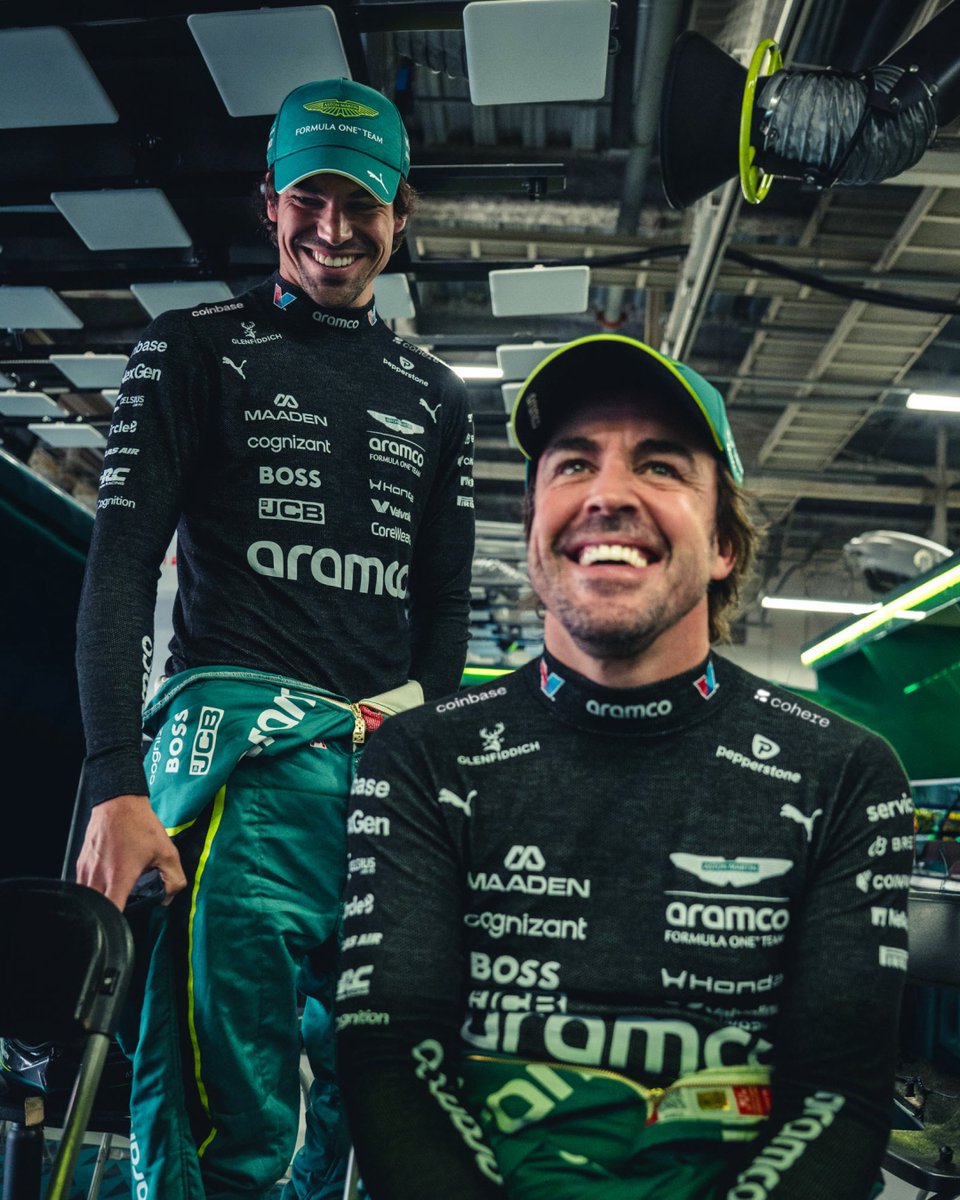
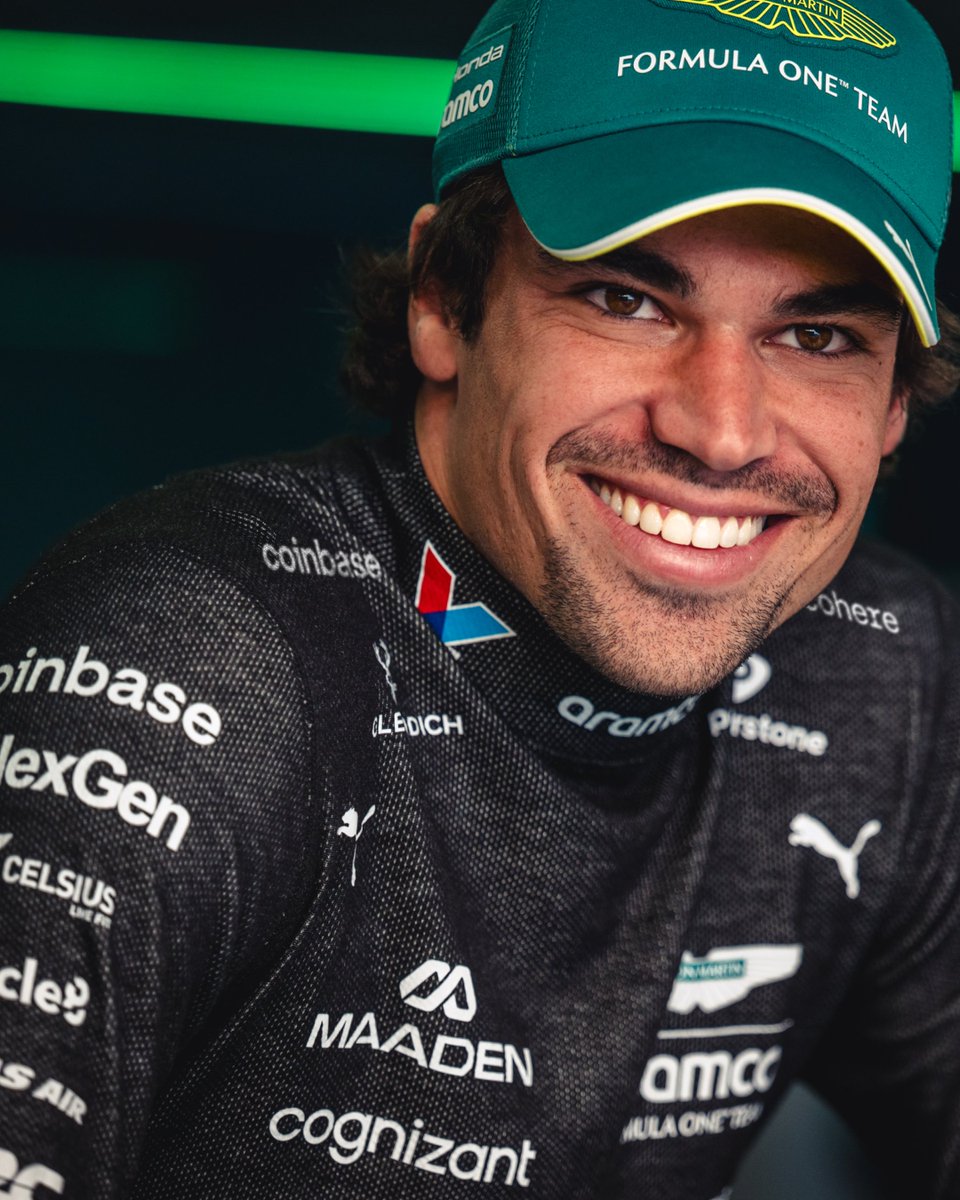
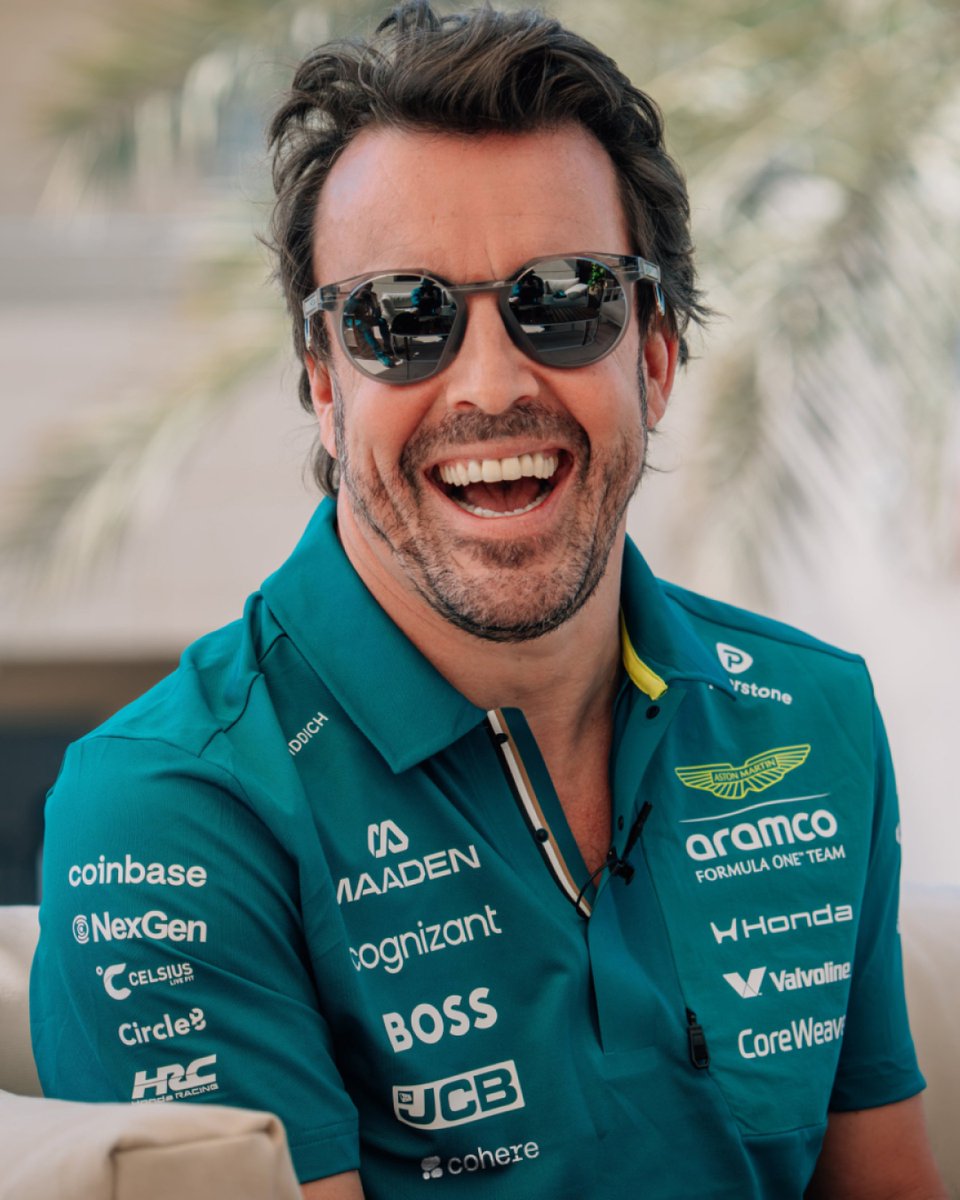
Alonso believes adaptability has been one of the defining strengths of his career.
He has raced through several major technical eras in Formula 1, from V10 and V8 engines to the current V6 hybrid generation, while adapting to different tyre suppliers, aerodynamic regulations and systems such as KERS and ground effect.
His experience outside F1 added another layer.
"My strength has been to adapt to different cars, different rules," Alonso said.
That belief is part of the reason he does not see his age as an automatic barrier to continuing.
A difficult season is felt at home too
There is also a more personal consideration now.
Alonso and his partner Melissa Jimenez welcomed their first child earlier this year, adding a different dimension to the decision to keep travelling through the F1 calendar.
Jimenez is also feeling the frustration of Aston Martin's struggles, Alonso said.
"She's feeling the pain also this year and she's worried about my health when we are not competitive," he said with a smile. "Yeah, she prefers me away when we are not competitive."
For Alonso, though, the calculation remains relatively simple.

He still feels fast. He still wants to race. And after almost a quarter of a century in Formula 1, the idea of watching from home remains harder to accept than the prospect of another difficult season.
The five-minute conversation with Stroll may have been enough to settle the contract.
The harder decision was deciding that he still wanted the conversation to happen at all.


