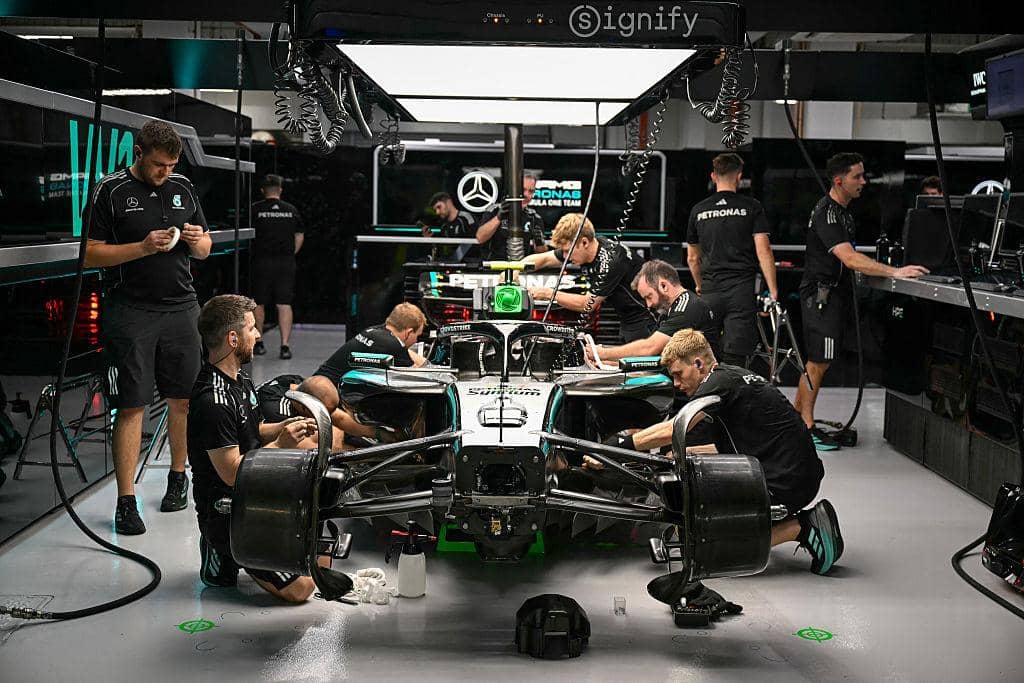
Mercedes generated £633.4 million in revenue in 2025 and increased its profit after tax to £125.9 million, despite turnover barely changing.
It also paid £125 million in dividends to shareholders, underlining how effectively the Formula 1 operation converted its commercial income into returns for its owners.
The figures offer a useful insight into the business behind Mercedes' current championship challenge. After the United States Grand Prix, the team leads the 2026 constructors' standings, while Kimi Antonelli is approaching the drivers' title.
Its latest published accounts, however, relate to the year before that campaign and show how the business performed in 2025.

Revenue at Mercedes-Benz Grand Prix Limited, the company behind the Mercedes-AMG Petronas F1 Team, increased by just £1.3 million from £632.1 million in 2024. That represented growth of 0.2%.
Profit moved more decisively. Operating profit rose 6.8% to £166.7 million, while profit after tax increased 7.7% to £125.9 million.
The difference came largely from the cost base. Mercedes reduced its cost of sales by £25.8 million, more than compensating for the modest increase in revenue and helping gross profit rise from £182.7 million to £209.8 million.
Mercedes F1 in numbers
| Financial measure | 2024 | 2025 |
|---|---|---|
| Revenue | £632.1m | £633.4m |
| Sponsorship, branding and racing revenue | £526.0m | £541.7m |
| Cost of sales | £449.4m | £423.5m |
| Operating profit | £156.2m | £166.7m |
| Profit after tax | £116.9m | £125.9m |
| Staff costs | £125.0m | £157.5m |
| Dividends paid | £100.0m | £125.0m |
| Cash at year-end | £52.6m | £29.5m |
| Net assets | £230.2m | £240.0m |
Source: Mercedes-Benz Grand Prix Limited annual report and financial statements for the year ended 31 December 2025. Figures for 2024 were restated following the transition to UK-adopted IFRS.
Sponsorship remains the commercial foundation
Sponsorship, branding and racing activities generated £541.7 million, accounting for 85.5% of total revenue. That was an increase from £526 million in 2024.
Mercedes said commercial revenue from sponsorship and licensing exceeded £415 million. Its partner roster included 24 brands during 2025, with adidas, Meta AI and Nasdaq among the additions. Microsoft, Nu and Zuma joined during the first quarter of 2026.
The figures show that Mercedes maintained and increased its commercial income despite a weaker share of television coverage.
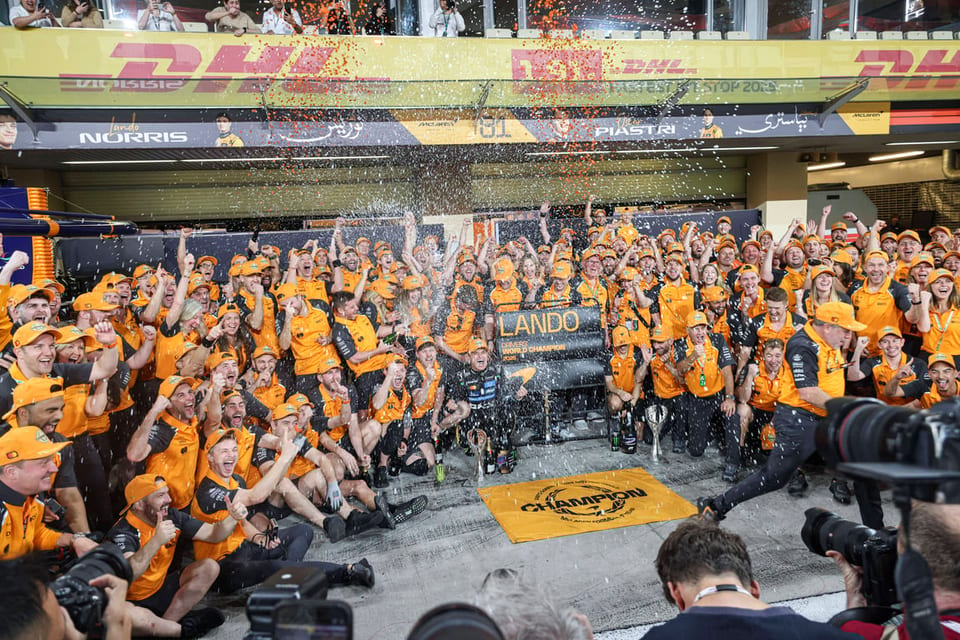
The team's share of broadcast coverage fell from 15.5% in 2024 to 13.2% in 2025, as McLaren took 24% during its constructors' championship-winning campaign. Mercedes' reported advertising value equivalent for partners and shareholders also fell by 2% to $5.66 billion.
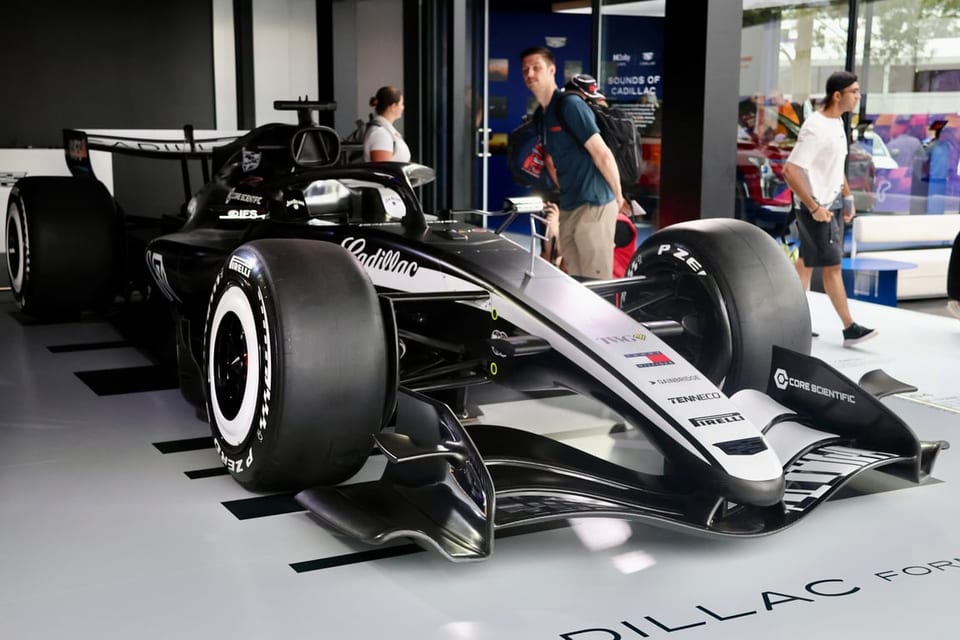
That contrast matters. Television exposure is one part of the value a Formula 1 team offers its partners, but the accounts do not establish how much individual sponsorship deals contributed or whether additional commercial income fully offset the fall in exposure.
Other revenue declined from £106.1 million to £91.6 million. Mercedes does not provide a detailed breakdown explaining that fall.
Its report does, however, describe a refocus of the Applied Science division following Aston Martin's switch to Honda power units and INEOS' withdrawal from the America's Cup. The business also supplies technology to Williams and, from 2026, Alpine.
Lower costs lifted profit, but staff spending climbed
Cost of sales fell from £449.4 million to £423.5 million, while gross profit increased by £27.1 million to £209.8 million.
Administrative expenses moved in the opposite direction, rising from £26.6 million to £43.1 million. Even so, operating profit improved to £166.7 million and the operating margin widened from 24.7% to 26.3%.
The cost picture was not uniform. Staff costs increased by 26% to £157.5 million, although average employee numbers rose only from 1,323 to 1,348.

The composition of the workforce also changed. Administrative staff increased from 303 to 350, while the number employed in design, manufacturing and engineering fell from 1,020 to 998.
Research and development expensed during the year rose from £127.1 million to £145.9 million. That investment came ahead of the major chassis, power-unit and fuel regulation changes introduced for 2026.
The accounts do not explain the specific causes of the increase in staff costs, so it would be misleading to attribute it to any one programme or business decision. They do show that Mercedes was spending more on people and research while reducing its cost of sales.
The team also reported full compliance with the 2024 Financial Regulations following the FIA audit process. That finding relates to the 2024 regulations and should not be read as a separate confirmation of compliance for the 2025 financial year.
£125m went to shareholders as cash reserves fell
Mercedes generated £147.9 million in cash from operating activities during 2025. It spent £40.1 million on property, plant and equipment, up from £26.2 million in 2024, as it continued redevelopment at its Brackley site. Two new buildings were due to be completed in the second half of 2026.
The company also paid £125 million in dividends to shareholders, compared with £100 million the previous year.
Cash on the balance sheet fell from £52.6 million to £29.5 million, a decline of £23.1 million. Net assets, by contrast, increased from £230.2 million to £240 million.
Retained earnings barely changed, moving from £155.8 million to £157 million. The figures illustrate how much of the year's profit was distributed rather than retained within the business.
Mercedes increased its long-term revolving credit facility during the year but did not draw on it. The accounts therefore show both a substantial shareholder distribution and continued spending on the team's facilities, alongside a lower year-end cash balance.
What George Kurtz bought into
The accounts also provide context for the team's ownership structure.
Companies House lists Mercedes-Benz Holdings UK, INEOS Industries Holdings and Toto Wolff as persons with significant control, each in the category of holding more than 25% but not more than 50%.
In November 2025, CrowdStrike founder and chief executive George Kurtz acquired a 15% minority interest in the ownership entity controlled by Wolff. Mercedes said that entity held one third of the team, implying an indirect stake of about 5% for Kurtz.
Mercedes did not disclose the purchase price in its announcement or accounts. The Associated Press reported a $6 billion valuation, attributing that figure to Mercedes, rather than to a valuation disclosed in the accounts themselves.
Kurtz's investment gives him a stake in a business that combines significant commercial income with the costs and uncertainties of competing at the highest level of motorsport.
What the accounts tell us about F1's business model
Mercedes' 2025 results show that a Formula 1 team can increase profitability without substantial revenue growth. Sponsorship and licensing remained central to the business, while a reduction in cost of sales helped improve the bottom line despite higher administrative and staff costs.

The dividend is equally significant. Mercedes paid shareholders £125 million during the year, a sum almost equal to its £125.9 million profit after tax.
That does not mean the dividend necessarily came entirely from that year's earnings, but it does demonstrate the scale of the distribution relative to annual profit.
The comparison with other teams also needs care. McLaren Racing reported a £17.4 million loss for 2025, while Red Bull's accounts showed a different combination of profit and rising costs. Differences in each company's operations and accounting mean their figures are not automatically like-for-like comparisons.
Mercedes' accounts do not disclose the economics of individual sponsorship deals, the return on its facilities investment or the value of the team itself. They do, however, show a business that maintained revenue, improved operating performance and returned substantial funds to its shareholders.
With Mercedes now leading the 2026 constructors' championship and Antonelli closing in on the drivers' title, its sporting position has strengthened since the period covered by these accounts. Whether the team can sustain the same financial performance through the new regulations will become clearer when its next annual results are published.