

Formula 1 could introduce a Push to Pass-style overtaking system when its next generation of V8 engines arrives, with Audi chief Mattia Binotto confirming the idea is already part of discussions over the championship's future regulations.
The post-2029 engine framework is still being shaped by the FIA, teams and power unit manufacturers, with the next rules expected to introduce V8 engines from 2030 at the earliest.
How much hybrid technology remains, and how drivers can use additional power during races, are among the issues still to be settled.
F1 weighs new overtaking system for V8 era
Binotto confirmed that a form of Push to Pass is being considered as part of the new engine regulations, although there is no agreement yet on exactly how it would work.
"Push to pass is important for the racing situation, for overtaking, and making sure that we are not creating trains and no one can overtake," Binotto said.
"So a push-to-pass will be there. What type of push-to-pass is still to be discussed."
 Audi Revolut F1 Team@audif1_
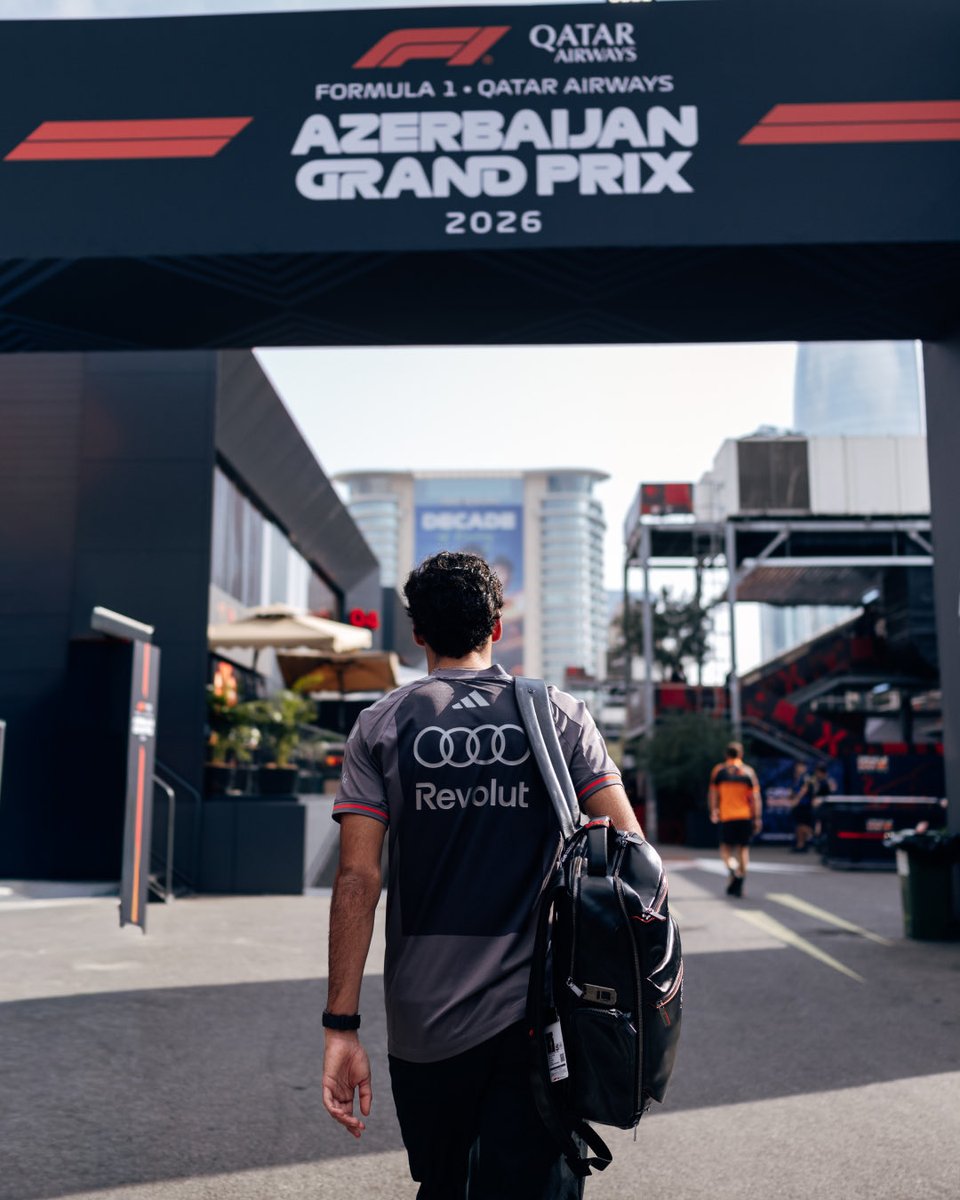


The Audi chief said there were several possible approaches, including boost pressure, an electrical system similar to KERS or a system linked to DRS.
"It can be boost pressure, it can be DRS, it can be KERS, so electrical, so the way we will do it will be part of the discussions with the FIA," he added.
Formula 1 already has different power deployment systems under its 2026 regulations. Drivers have access to overtaking and boost modes, although the deployment of energy is controlled by on-board algorithms rather than being managed directly by the driver.
The future rules could therefore give drivers a more active role in deciding when additional power is used, although the final format has yet to be determined.
F1 V8 engine regulations face wider decisions
The overtaking system is only one part of the discussions surrounding the next generation of F1 power units.
Formula 1 is set to move away from its current turbo-hybrid configuration and return to V8 engines, although the exact timing remains uncertain. Binotto said 2030 was the earliest target and stressed that decisions would need to be made well before then.

"We know it's a V8 for 2030 at the earliest, but the timing is uncertain," he said.
"Development has to start before the end of the year. I think the regulation needs to be agreed and voted on before the end of the year to have certainty and clarity on by 2027 to start the design and concept phase."
Cost is another major consideration, with manufacturers looking for a less expensive power unit while retaining technology that keeps F1 relevant as an engineering platform.
"The current power unit is still very expensive, and we believe that having a clear target on cost would be important when considering the format of the V8 itself," Binotto said.
Audi also wants the next engine to retain some advanced technology rather than becoming a purely traditional V8.
"We believe that we still need to retain some advanced technologies," Binotto said. "I think that F1 has always been the edge of a platform for innovation ahead of technology."
He indicated that turbocharging and hybrid technology could still form part of the eventual package, but the details remain open.
Audi Revolut F1 Team@audif1_


"We welcome the V8, welcome a better sound, we welcome cost saving, but when it comes to the details of hybrid, I would say yes, turbo, possibly yes, but all the details, I think exactly need to be discussed with the FIA."
Those discussions are expected to become increasingly important as manufacturers prepare their development programmes for the next generation of F1 engines.
For now, the direction is clear on the broad objective: a V8 engine, lower costs and a mechanism that helps create more opportunities for overtaking. The technical details, including how much electrical power remains and what form Push to Pass takes, are still to be agreed.


