

Jose Mourinho has never been a manager to fade quietly into the background.
His career has been shaped by confrontation, carefully managed headlines and a willingness to make himself the central figure in football's biggest arguments.
Yet Real Madrid's 2-1 Clasico victory over Barcelona offered a glimpse of a different emphasis.
 La Liga


Mourinho still celebrated Kylian Mbappe's late winner with a familiar burst of emotion, sliding on his knees, but his words afterwards were directed towards the players who had delivered the result.
It was not proof that the self-styled Special One has become a different person. One match cannot establish that. But the contrast between Mourinho's long-standing public persona and the way he spoke after Sunday's victory was striking.
Jose Mourinho puts his Real Madrid players first
Mourinho's post-match assessment was notable for its focus on the collective effort. He praised Real Madrid's organisation, concentration and courage in playing out from the back against a Barcelona side that presses aggressively.
He was equally keen to underline the team's composure after Raphinha equalised in the 61st minute. Real Madrid did not abandon their approach or allow the game to become an emotional contest. They remained organised and eventually found the decisive goal.
"At 1-1, we never lost our composure," Mourinho said after the match.
That observation said something about the performance, but it also reflected the manager's priorities in the aftermath. Rather than making the result a story about his own tactical superiority or his return to one of football's most intense rivalries, he repeatedly credited the players.
 Real Madrid C.F. 🇬🇧🇺🇸@realmadriden
@Emirates
Mourinho even stressed the difference between being on the pitch and making decisions from the bench. The players, he said, deserved the recognition because they were the ones who had to execute the plan.
Such comments are not entirely new. Mourinho has always defended his teams and often used the media to protect his players. But they fit a broader question about whether his approach to the public side of management is evolving.
The tactical instincts remain intact
There was little evidence in Barcelona that Mourinho had lost the competitive edge that has defined his career.
Real Madrid were disciplined without the ball and dangerous when opportunities emerged to attack space. They frustrated Barcelona for long periods, responded calmly when the hosts levelled and ultimately found a way to win away from home.
Mbappe opened the scoring in the 41st minute, with the ball deflecting into the net off Barcelona defender Gerard Martin. Raphinha restored parity after the break, but Madrid struck again late on.
The winning move illustrated the value of fresh legs and intelligent movement. Jude Bellingham helped initiate the attack, and Camavinga advanced into space before supplying Mbappe, who finished in the 87th minute.
Real Madrid C.F. 🇬🇧🇺🇸@realmadridenMourinho's explanation afterwards showed that the substitution was not simply a matter of changing personnel. He wanted players capable of exploiting the spaces Barcelona left when they pushed forward. Camavinga's energy and movement offered a different route through the opposition defence.
It was a reminder that Mourinho remains a meticulous observer of the tactical details. His methods have been criticised at various stages of his career, particularly when his teams have appeared too cautious, but the Clasico demonstrated how organisation and selective aggression can work together.
The celebration also mattered. Mourinho's knee slide was an unmistakable expression of the emotion attached to beating Barcelona in such a high-profile match. Whatever may have changed in his public manner, the desire to win has not disappeared.
A different relationship with the spotlight?
Mourinho built his reputation partly by making himself the lightning rod. At Chelsea, Inter Milan, Real Madrid and Manchester United, his public battles with rivals, officials and the media often became almost as prominent as his teams' performances.
That approach could be effective. It created a sense of unity around his squads, gave his players a manager willing to take on external criticism and ensured that attention frequently moved away from them.
It could also become exhausting. The confrontations sometimes threatened to overwhelm the football, leaving Mourinho's personality as the dominant story even when the performances deserved more attention.
There is a possible change in emphasis now. His comments after the Barcelona victory focused on the collective, including the contribution of players whose efforts might otherwise have been overlooked.
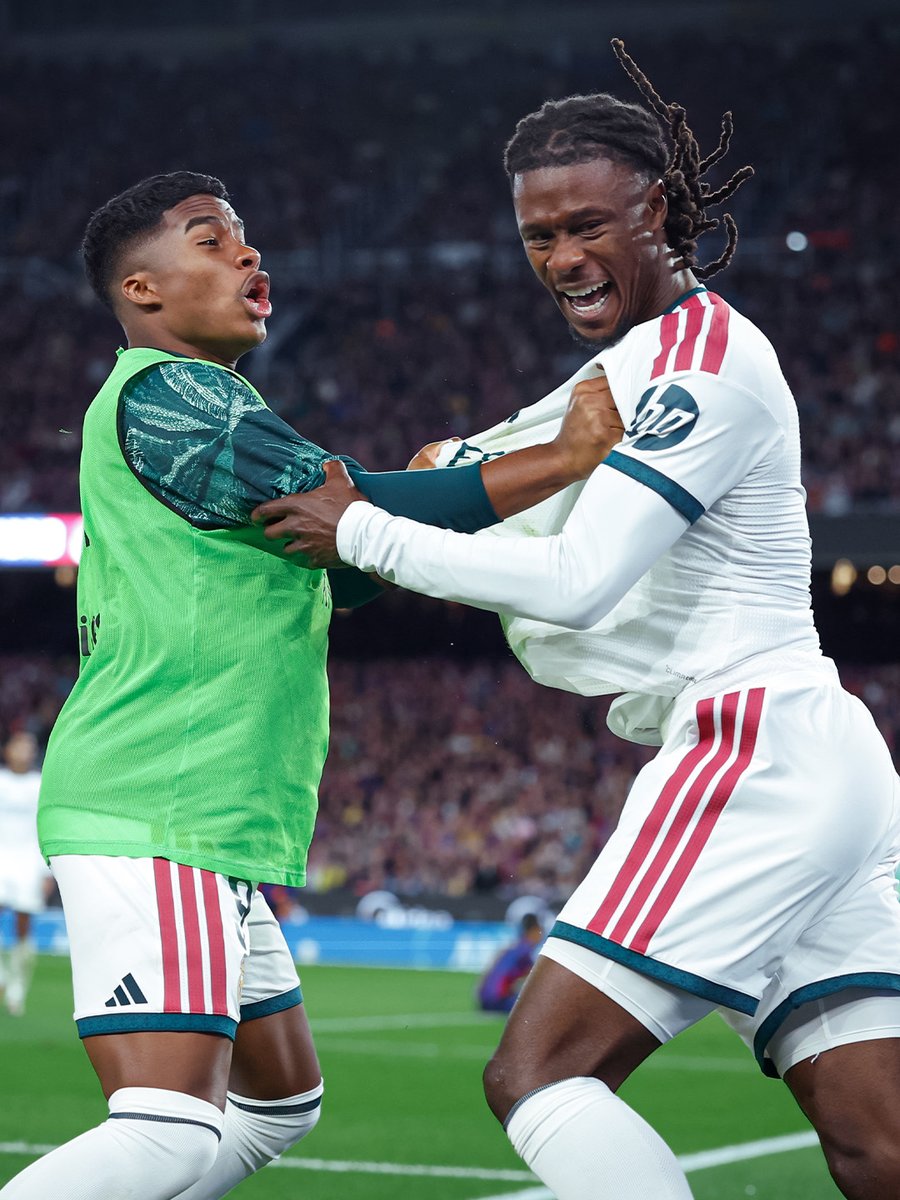


Mourinho highlighted Federico Valverde, who continued playing despite an injury, and praised the strength of the group. His remarks were not simply about the goalscorers or the most recognisable names. He wanted the wider contribution acknowledged.
That does not mean Mourinho has abandoned the confrontational side of his personality. His criticism of the officiating after the match showed that he remains willing to challenge decisions when he believes they have harmed his team.
The more convincing interpretation is that different sides of Mourinho coexist. He can still be combative, emotional and outspoken while placing greater emphasis on the players in his public account of a victory.
The long road back to the Clasico
Mourinho's return to the Clasico carried its own significance. His first spell at Real Madrid ran from 2010 to 2013, a period in which he faced Barcelona during one of the defining rivalries of modern football.
His career subsequently took him through a succession of clubs and very different challenges. He won the Europa League with Manchester United and Roma, as well as the Europa Conference League with the Italian club. His time at Benfica preceded his return to Madrid in 2026.
Those experiences do not necessarily explain a change in personality, and it would be simplistic to suggest that age alone has made him calmer. Managers adapt to their circumstances, their players and the demands of each job. Public behaviour can also change without the underlying competitive instincts changing at all.
The Clasico was therefore a useful snapshot rather than a definitive verdict. Mourinho's team delivered a result that mattered, and the manager appeared content to direct much of the credit towards those who made it happen.
Has the Special One really changed?
The temptation after a major victory is to declare that a familiar figure has entered a new phase. Mourinho's performance on the touchline and his comments afterwards invite that reading, but the evidence remains limited.
One win does not erase years of public feuds, sharp press conferences or calculated provocations. Nor does it need to. A manager can evolve without abandoning the traits that made him successful.
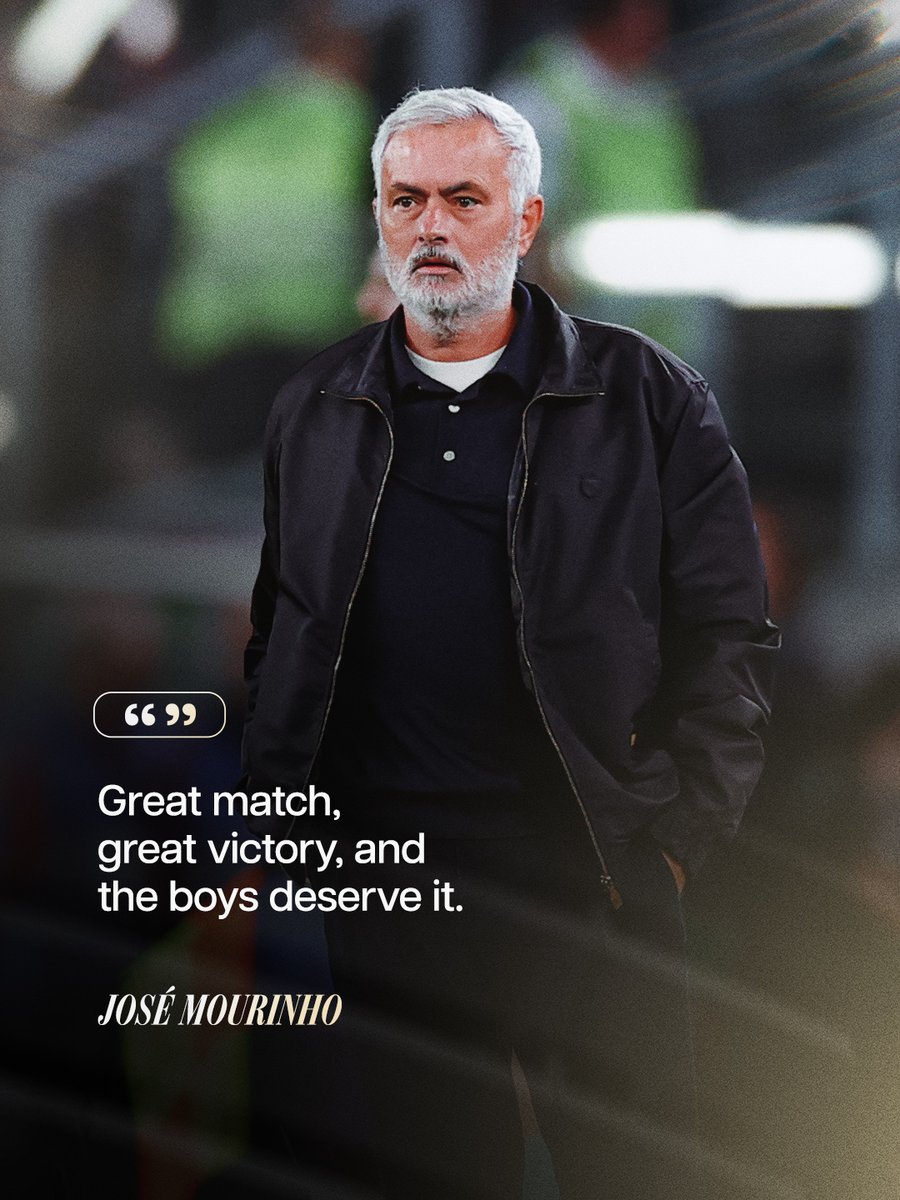
What Sunday's match showed was a Mourinho who could still embrace the drama of a Clasico while talking about organisation, composure and collective responsibility afterwards. He was visibly emotional when Mbappe scored, yet he did not need to make himself the hero of the story.
Perhaps that is the most interesting possibility. Mourinho may not be becoming a fundamentally different manager. He may simply be finding new ways to use the same competitive instincts, with less need for every victory to become a personal statement.
The Special One still wants to win. The question is whether he is increasingly comfortable letting his players do the talking.


