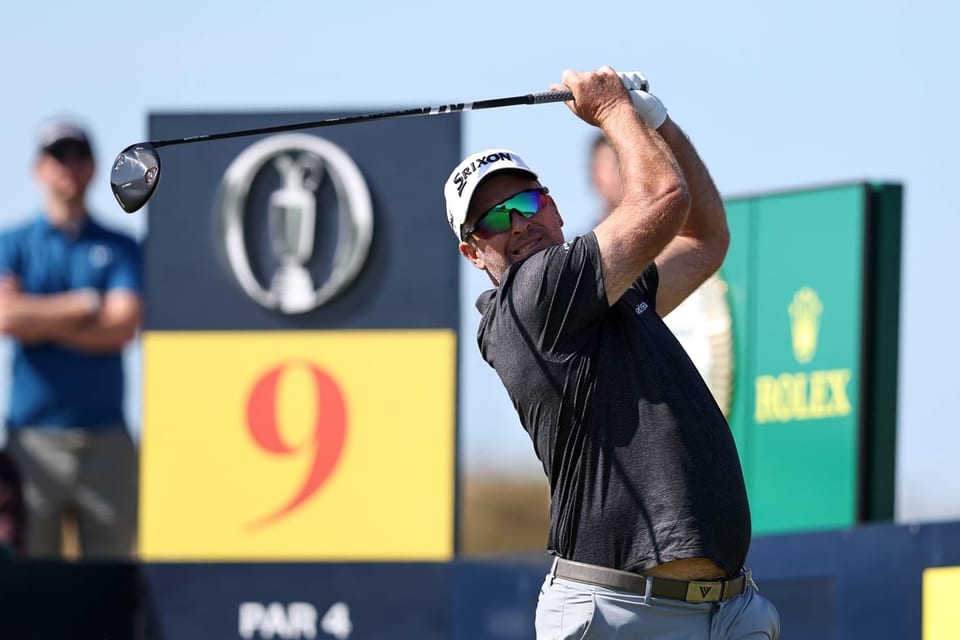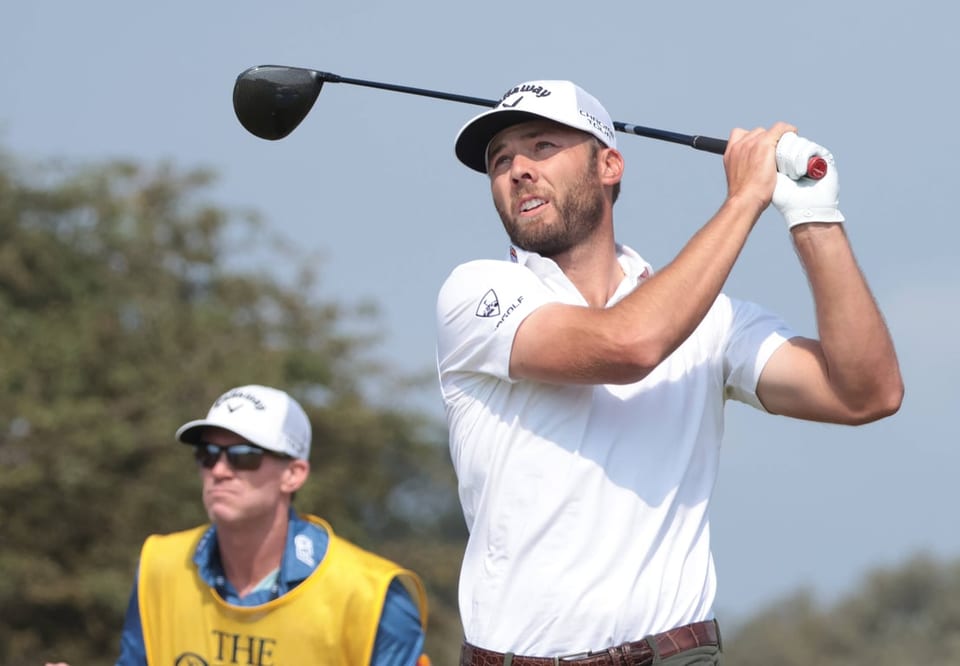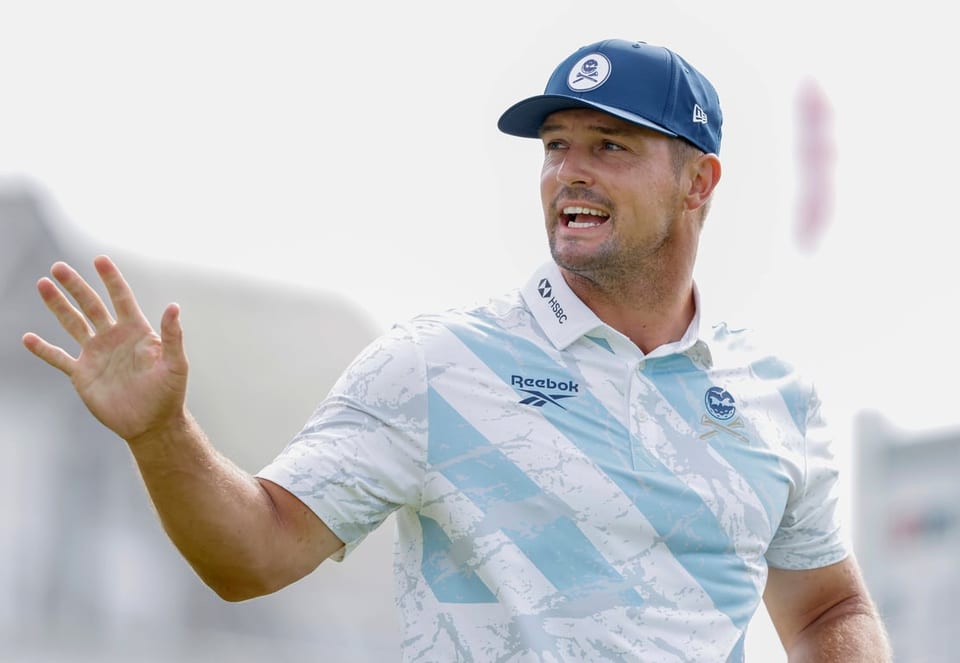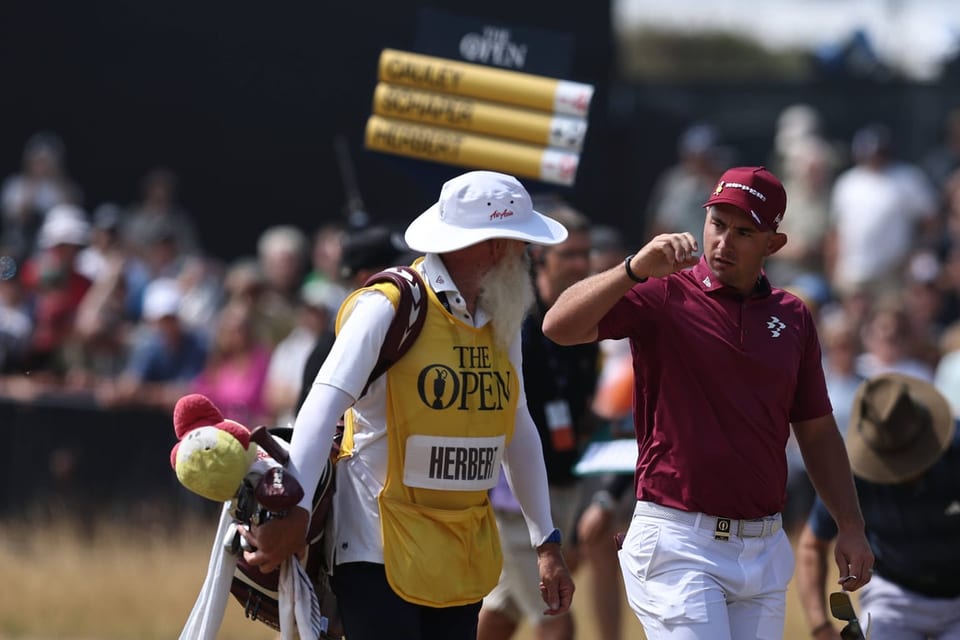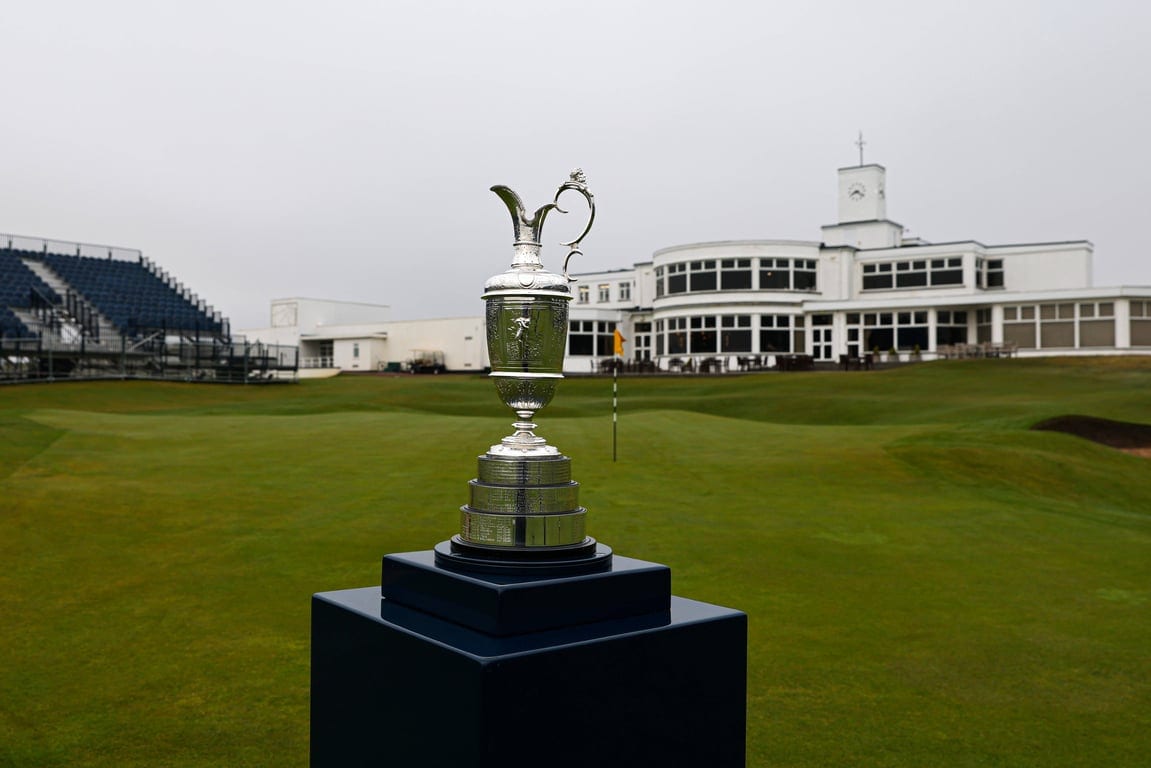
The R&A confirmed on Tuesday that The 154th Open carries a record prize fund of $17.5 million, an increase of $500,000 on last year's Championship at Royal Portrush.
The winner at Royal Birkdale on Sunday will collect $3.2 million, up $100,000 on the cheque Scottie Scheffler banked 12 months ago and worth around R53 million at current exchange rates, from a total fund of roughly R288 million.
The runner-up earns $1,842,000 and third place $1,181,000, with the money running all the way down the field.
Every professional who makes the cut is guaranteed at least $40,700, although if more than 70 professionals qualify for the weekend each place beyond 70th trims the lower payouts by $125, down to a floor of $39,450.
Missing the cut still pays: the leading 10 professionals who go home on Friday collect $12,900 each, the next 20 receive $10,750 and the remainder $9,100.
The money is for professionals only, so the field's amateurs play instead for the Silver Medal.
| Position | Payout (USD) |
| Winner | $3,200,000 |
| 2nd | $1,842,000 |
| 3rd | $1,181,000 |
| 4th | $917,000 |
| 5th | $738,000 |
| 10th | $367,000 |
| 20th | $184,500 |
| 30th | $116,500 |
| 50th | $49,400 |
| 70th | $40,700 |
How the Open compares with the other majors
A record fund, and still the smallest of the four majors by a distance. The Masters and the US Open both paid out $22.5 million this year, with Rory McIlroy and Wyndham Clark each collecting $4.5 million for their wins at Augusta and Shinnecock Hills.
The PGA Championship moved to $20.5 million in May, its third straight annual increase, with Aaron Rai taking $3.69 million at Aronimink.
The Open's new figure leaves it $3 million behind the PGA Championship and $5 million behind the season's two richest majors, and Sunday's Champion Golfer will earn $1.3 million less than McIlroy and Clark did for theirs.
 David Rumsey@_DavidRumsey
That's up from $17 million from last year, and still the least of the four majors—the Masters, PGA, and U.S. Open are all over $20 million.
Winner will receive $3.2 million, up from $3.1 million last year.

The gap runs deeper than the headline numbers. The Players Championship sits at $25 million and the PGA Tour's regular signature events carry $20 million funds, meaning golf's oldest championship pays less than a routine week at Bay Hill.
Even the consolation money diverges: Augusta paid $25,000 to players who missed the cut this year and the US Open $10,000, against the Open's $9,100 baseline.
| Major | 2026 purse | Winner's share |
| Masters | $22.5 million | $4.5 million |
| US Open | $22.5 million | $4.5 million |
| PGA Championship | $20.5 million | $3.69 million |
| The Open | $17.5 million | $3.2 million |
Why the Open pays the least of the majors
The short answer is that the R&A chooses to. The governing body runs golf everywhere outside the United States and Mexico, and the Open is the engine that funds it, a point chief executive Mark Darbon has made repeatedly since taking office. Defending the decision to hold the fund flat at Portrush last year, he said:
"We take the surplus that we generate from this Open Championship and we invest it back into the game all around the world, so we think we've got the balance just right."
Darbon has also acknowledged the zero-sum arithmetic underneath that position: every dollar added to the purse is a dollar unavailable for the development programmes the R&A funds. His predecessor Martin Slumbers made the same case before the 2024 Championship at Royal Troon:
"The R&A has a responsibility to strike a balance between maintaining The Open's position in the global game, providing the funds required for governance, and developing amateur and recreational golf in 146 countries internationally."
The philosophical contrast sits on the other side of the Atlantic, where USGA chief executive Mike Whan has framed the US Open's record purse as a deliberate ambition, wanting his championship to offer the biggest prize in the game and a life-changing payday for its winner.
Two governing bodies, opposite conclusions, $5 million apart.
The R&A's numbers give its argument substance. In its most recent annual review the organisation reported directing £6.1 million to golf development and sustainability grants, including £2.8 million to national associations and £570,000 to women's golf initiatives, alongside £4.5 million on staging its amateur championships, £4 million supporting the professional game and £4.4 million on governance, covering the Rules of Golf and the World Handicap System.
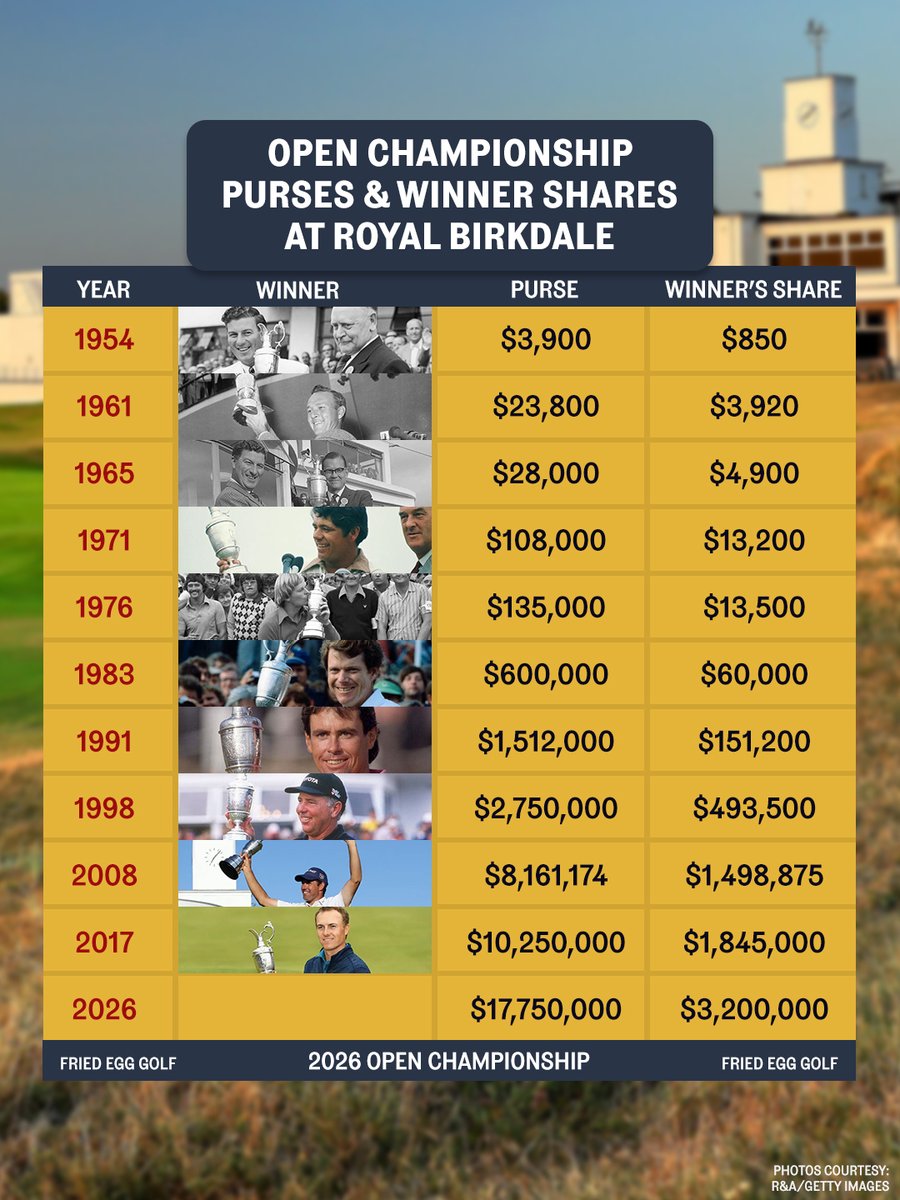
 Fried Egg Golf@fried_egg_golf
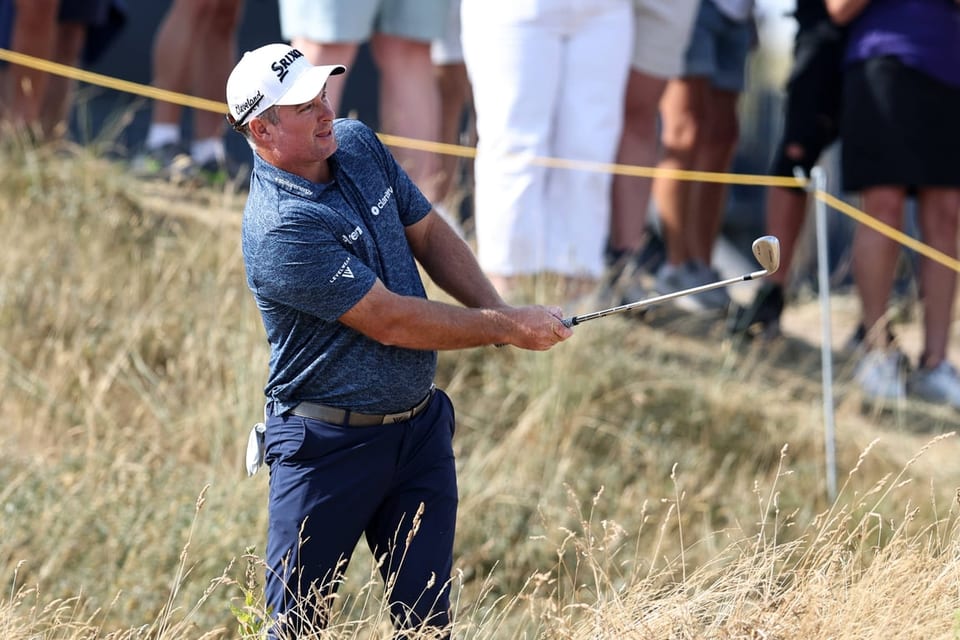
They'll be playing for a little more money this time around.
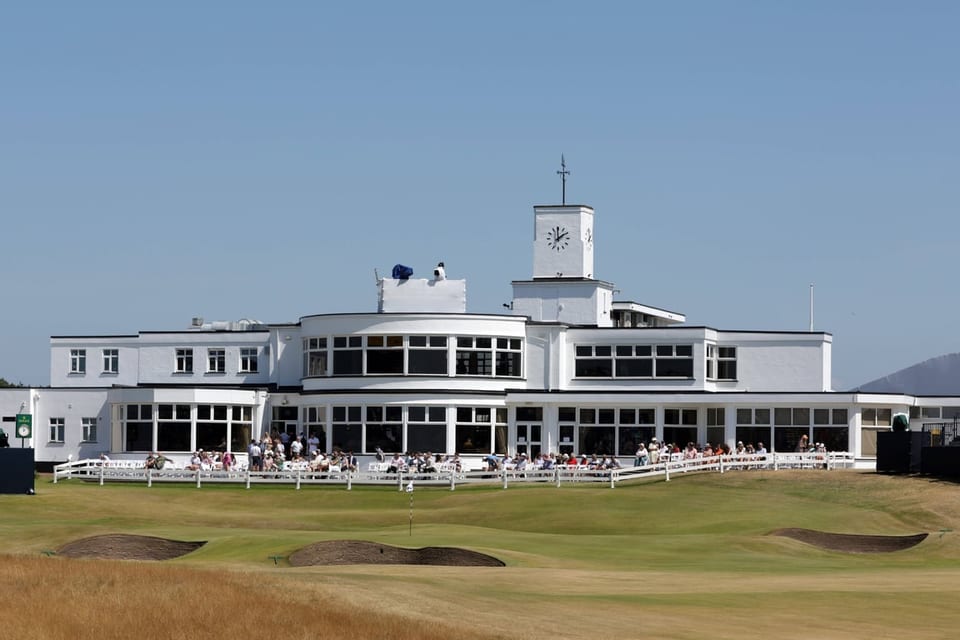
(Photos Courtesy: R&A/Getty Images)
It has committed more than $250 million to golf investment by 2027. South Africa, as one of the 146 countries under its governance umbrella, sits inside that funding map.
The engine keeps growing regardless. Darbon called the Open the R&A's biggest commercial driver at Birkdale's media day in April, and this week's Championship expects a record crowd of more than 300,000, up from 235,000 when Birkdale last hosted in 2017, with under-16s still admitted free.
A 12-year American broadcast deal with NBC, running since 2018, underpins the commercial side.
What the South Africans are playing for at Birkdale
For the seven South Africans in the field, the payout ladder frames the week in practical terms. Missing the cut is worth between $9,100 and $12,900, roughly R150,000 to R213,000.
Making the weekend guarantees $40,700, about R670,000, and a top-10 finish pays at least $367,000, north of R6 million. For the professional debutants Jayden Schaper and Hennie du Plessis, the Friday cut line carries a swing of around half a million rand. Amateur Jack Buchanan plays for the Silver Medal rather than a cheque.
The winner's $3.2 million would convert to around R53 million, and no South African has collected the winner's cheque since Ernie Els at Royal Lytham in 2012, when the fund was still paid in sterling.
The era comparison is the sharpest measure of how far the money has travelled: Max Faulkner's winning cheque at Portrush in 1951, in the middle of Bobby Locke's four-title run, was £300.
This week the last professional to miss the cut collects more than twenty times that figure before seven decades of inflation enter the conversation.
From Old Tom Morris's six pounds to a $3.2 million cheque
The first three Opens paid the champion nothing at all. Prize money arrived in 1863, a fund of £10 shared among second to fourth, with the winner still taking only the Challenge Belt, and Old Tom Morris collected £6 as champion in 1864, roughly £660 in today's money.
It took a century to reach five figures: the fund passed £10,000 in 1965, when Peter Thomson's winning share was £1,750. Tom Watson's 1977 title paid £10,000 from the first £100,000 purse, Greg Norman's 1993 win £100,000 from the first £1 million fund, and Darren Clarke collected £900,000 from £5 million in 2011 before Zach Johnson became the first winner past £1 million in 2015.
The currency switched from sterling to dollars in 2017, at Birkdale of all places, where Jordan Spieth took $1,845,000 from a $10.25 million fund. Growth since has been steep: the fund is up nearly two-thirds on Shane Lowry's 2019 Championship, a rise Darbon himself puts at 60%, even after the 2025 freeze that broke a 13-year run of annual increases.
Birkdale's own ledger tells the story fastest. Thomson earned £750 for winning here in 1954 and £1,750 in 1965, Lee Trevino £5,500 in 1971, Watson £40,000 in 1983, Mark O'Meara £300,000 in 1998 and Padraig Harrington £750,000 in 2008, before Spieth's dollar-era cheque in 2017. On Sunday, somebody will collect $3.2 million on the same links.
The R&A will bank the rest and, by its own account, so will the game and what SA's seven can earn.