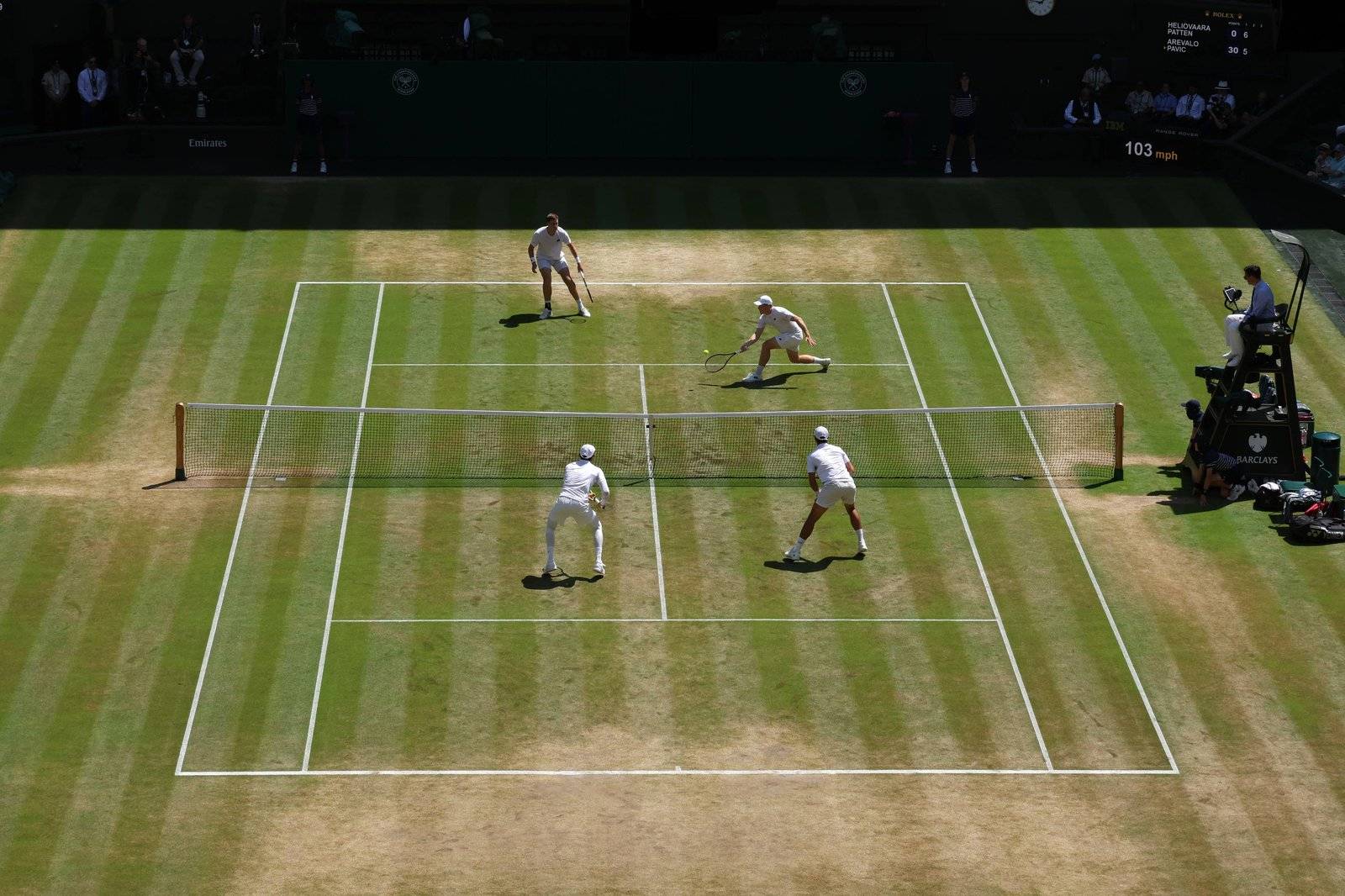
The ATP is preparing to take its proposed 2028 reforms to its year-end meetings in Turin, but a review of doubles draw sizes and prize money has become the most contentious part of the package.
Doubles players say the plans would halve tournament fields and transfer about $20 million in prize money to singles.
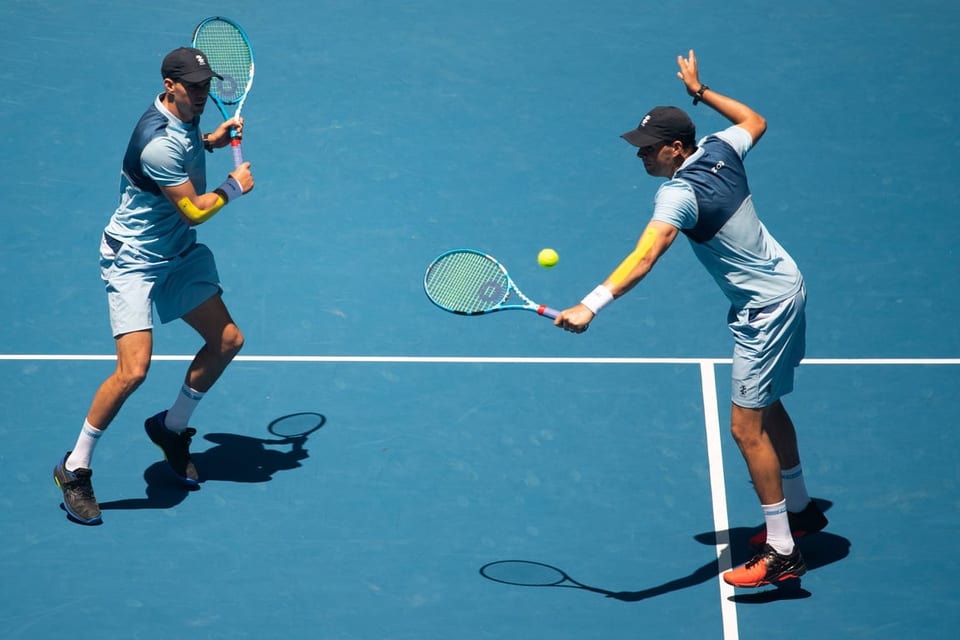
More than 160 current and former players, alongside 20 national federations, have backed an open letter urging the governing body to reconsider.
The ATP has not confirmed those specific figures or published its proposed draw sizes. Its stated position is that it is reviewing the long-term structure of doubles, including draw sizes and the distribution of player compensation, while insisting the discipline will remain part of the Tour.
The dispute is significant because it sits within a much broader financial package. The ATP estimates that total player compensation outside the Grand Slams will reach $350 million from 2028, including on-site prize money, profit-sharing and more than $100 million in annual central investment.
The question is whether the governing body can increase the rewards available to singles players without making it harder for doubles specialists to earn a living.
What the ATP is proposing for 2028
The ATP outlined its plans on 15 October, presenting them as the next phase of its OneVision strategy. The proposals cover four broad areas: player compensation, rankings and points, the calendar and scheduling, and competition formats.
The financial package includes a $50 million bonus pool, up from $21.5 million, $25 million in career support for players who finish the season inside the top 250, and approximately $30 million in pension contributions.
The ATP has also confirmed plans for a 10th Masters 1000 tournament in Saudi Arabia, which had already been announced.
Doubles is the area where the governing body's language is least specific. Its Q&A describes a review of "potential adjustments to doubles draw sizes and player compensation distribution", with the aim of creating a more sustainable model while maintaining the discipline's role on the Tour.
The ATP says any prize money reallocated from doubles would remain within player compensation and is expected to go towards singles qualifying and early rounds.
It has not, however, published the proposed draw sizes or confirmed the scale of any reduction. The organisation says it is discussing the review with the Player Advisory Council, with the final package subject to consultation and approval before it is presented in Turin.
What the doubles players say they stand to lose
The detail behind the dispute comes largely from the players themselves.
In a statement issued during Wimbledon in July, doubles players said the ATP was considering reducing doubles' share of tournament prize money from 20 per cent to 10 per cent from 2028. They also said the proposed changes would halve the draws to 16 teams at Masters 1000 events and eight teams at ATP 500 and ATP 250 tournaments.
The players described the plans as "a plan to end doubles as a viable profession, dressed up as a cost-saving measure".
Their opposition became more organised in October, when an open letter was sent to the ATP board and management. The BBC reported that it carried the signatures of 137 current players, 28 former players and 20 national federations. Other reports have given a higher figure for former players, but the central message is consistent.
The letter says the proposals would shift about $20 million in prize money from doubles to singles.
"We support progress. We also understand the need to grow the sport, strengthen tournaments and increase commercial value," the players wrote. "Still, the proposed reforms go much too far."
The ATP board comprises chairman Andrea Gaudenzi, four tournament representatives and four player representatives. BBC Sport has reported that the board is due to vote on the reforms at the ATP Finals in Turin.
What the Shanghai prize money tells us
The 2026 Shanghai Masters provides a useful illustration of the financial gap between singles and doubles, particularly for players who exit early.
The singles champion received $1,151,380, while the winning doubles team shared $468,200. That works out at $234,100 per doubles player, approximately 20.3 per cent of the singles champion's prize.
| Round | Singles | Doubles | Doubles |
|---|---|---|---|
| Champion | $1,151,380 | $468,200 | $234,100 |
| Finalist | $612,340 | $247,870 | $123,935 |
| Semi-finalist | $340,190 | $133,110 | $66,555 |
| Quarter-finalist | $193,645 | $66,570 | $33,285 |
| First round | $23,760 | $19,510 | $9,755 |
Source: ATP Tour. Doubles figures per player are VivaSport calculations based on half the team prize money.
The difference is also evident lower down the draw. A singles player eliminated in the first round received $23,760, compared with $9,755 for each member of a doubles team.
That distinction matters because the ATP says money reallocated from doubles is expected to support singles qualifying and early rounds. Those are precisely the stages where players outside the top tier are trying to build sustainable careers.
For doubles specialists, however, the size of the draw is just as important as the prize-money split. Halving the number of teams would reduce the number of players able to earn money at each tournament, even before the financial impact of any revised distribution is considered.
The players' July statement argued that the consequences would be particularly severe for those outside the top 30, saying it would become impossible for many to make a living.
The proposed changes would not affect the Grand Slams, according to the Associated Press. The ATP's $350 million compensation projection also excludes Grand Slam prize money.
The $20m question in the ATP's wider financial plan
The players' $20 million estimate needs to be considered alongside the ATP's wider compensation plans, although the two figures do not provide a direct like-for-like comparison.
The $350 million projection covers total player compensation outside the Grand Slams from 2028. The $20 million figure comes from the players' letter, which does not specify the period to which that amount applies.
As a simple comparison of scale, $20 million is approximately 5.7 per cent of $350 million. That does not mean the proposed transfer represents an annual reduction of that proportion, but it shows why the dispute has become a significant part of the wider debate about how the ATP distributes money.
The ATP's position is that the funds would not leave the player compensation system. Instead, they would be redirected towards singles qualifying and early rounds, potentially improving the earnings of players who struggle to reach the main draw.
The opposing argument is that this would come at the expense of another group of professionals, with fewer tournament places and a smaller share of prize money available to doubles players.
There is also a wider question about the value of doubles to the sport. The ATP says it will remain a core part of the Tour, but the proposed changes have left players questioning how that commitment would translate into meaningful opportunities.
What Turin could decide
The ATP's year-end meetings will be an important point in the process, but the precise shape of the final package remains unresolved.
The governing body has not confirmed the specific draw sizes or the proposed reduction in doubles' share of prize money. Nor has it independently endorsed the players' estimate that about $20 million would move to singles.
The two sides also face a question about how the money would be distributed if any changes are approved. The ATP has identified singles qualifying and early rounds as the expected destinations, but has not provided a detailed breakdown.
The players' letter makes clear that they are not opposed to reform or commercial growth. Their objection is to a plan they believe would narrow professional opportunities and undermine the viability of doubles careers.
For the ATP, the challenge is to demonstrate that its 2028 reforms can strengthen the wider Tour without weakening one of its established disciplines. The outcome in Turin could help determine whether the governing body and the doubles community can agree on what a sustainable future for the format should look like.