
India captain Shubman Gill has called on the International Cricket Council (ICC) to lift its ban on using saliva to shine the ball, arguing that bowlers are being disadvantaged by regulations introduced during the Covid-19 pandemic.
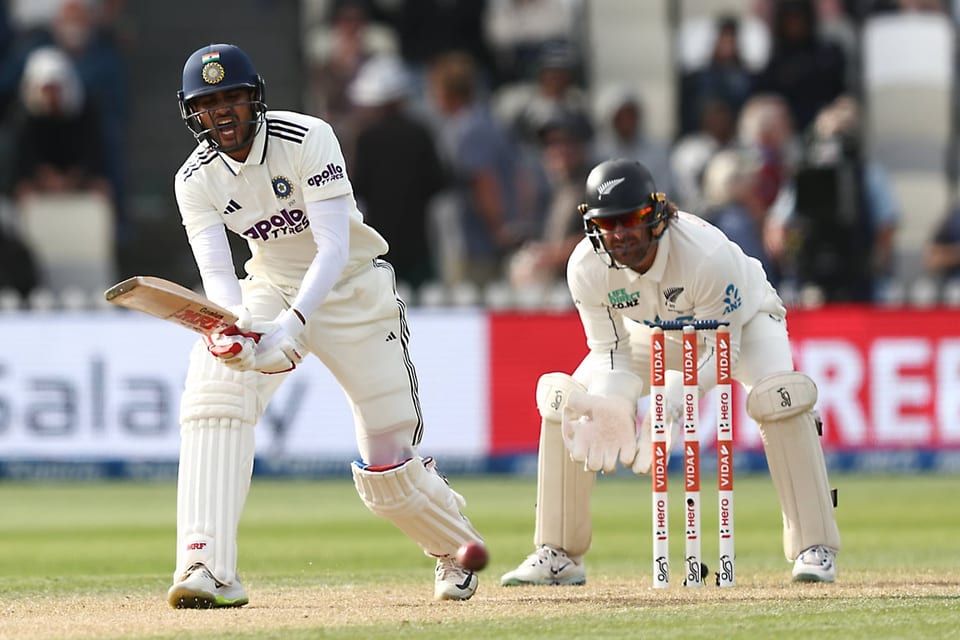
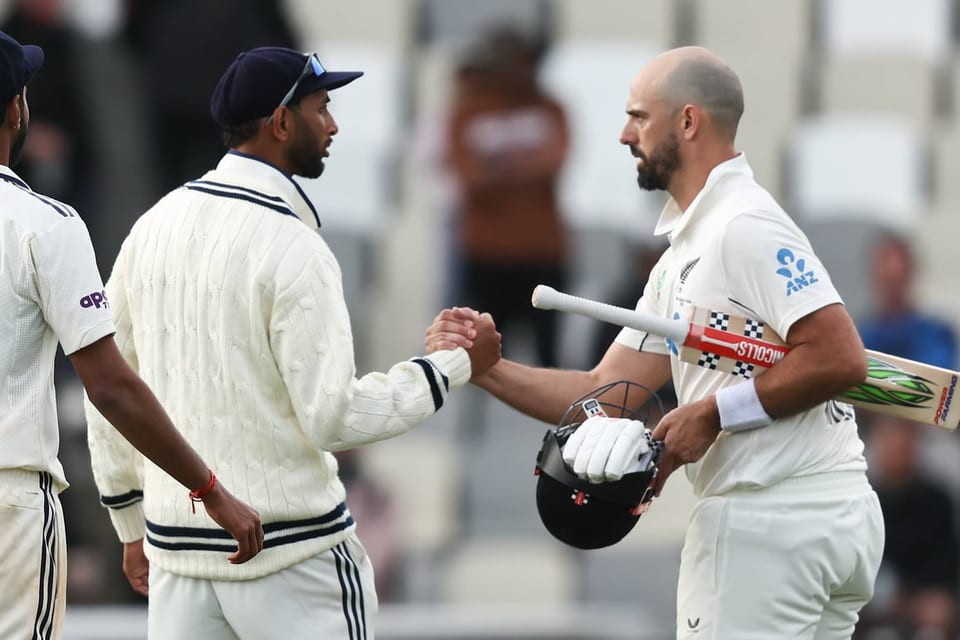
Gill raised the issue after India were unable to force a victory in the first Test against New Zealand in Wellington, where the hosts batted out 120 overs in their second innings to secure a draw.
The saliva ban was introduced in May 2020 as a precaution against the spread of Covid-19 before being made permanent in 2022. Players have since been permitted to use sweat to polish the ball, but saliva remains prohibited.
"I don't know why ball shining [using saliva] is not allowed," Gill said after the match.
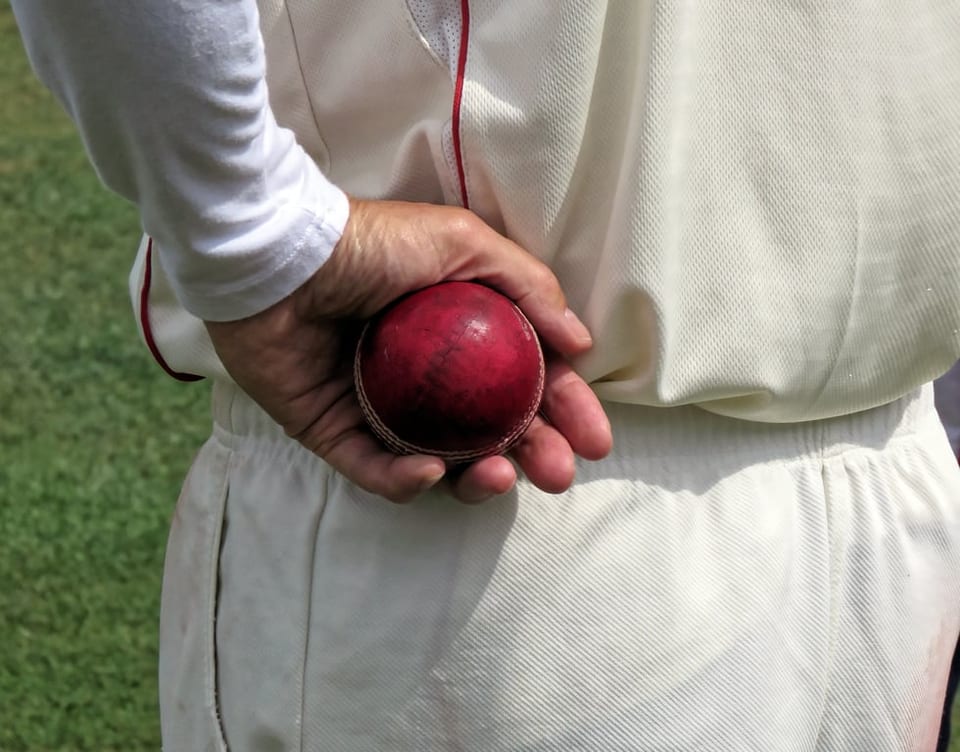
Gill questions cricket's saliva ban
"It's been years since the Covid-19 pandemic passed, I don't know why it's not allowed now."
Bowlers traditionally polish one side of the ball while allowing the other to deteriorate naturally, creating the difference in surface condition that helps generate swing.
Gill believes the current situation is making their task harder, particularly when the ball loses its hardness relatively early in an innings.
Gill questions ball quality after Wellington draw
The India captain also raised concerns about the quality of the ball, saying it was becoming soft after only 25-30 overs.
He said India had encountered similar problems during their previous tour of England, with the ball losing its hardness earlier than expected.
Gill argued that the combination of a soft ball and a pitch offering little assistance left his bowlers with limited opportunities to take wickets.
New Zealand captain Tom Latham also agreed that the ball had softened as the Wellington Test progressed.
India had been in a commanding position after reducing New Zealand to 70-5 in their first innings, but centuries from Henry Nicholls and Glenn Phillips helped the hosts recover to 368 all out.
Nicholls finished unbeaten on 175, while Phillips contributed 118.
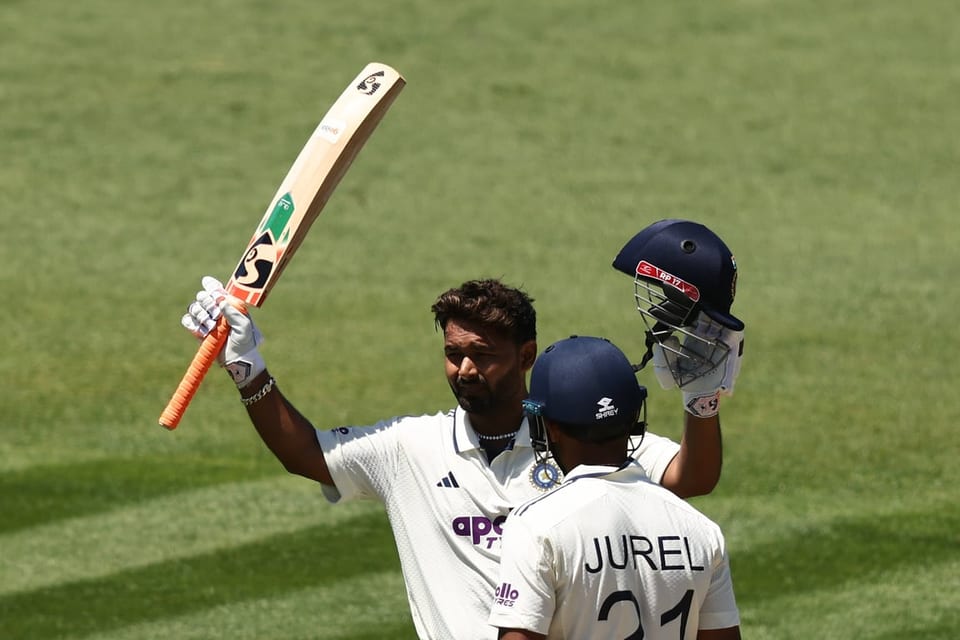
Gill scored 98 as India declared at 720-9, but New Zealand held firm in their second innings, reaching 239-5 after batting out 120 overs.
Daryl Mitchell and Glenn Phillips were among those who frustrated India's attack as the hosts secured a draw.

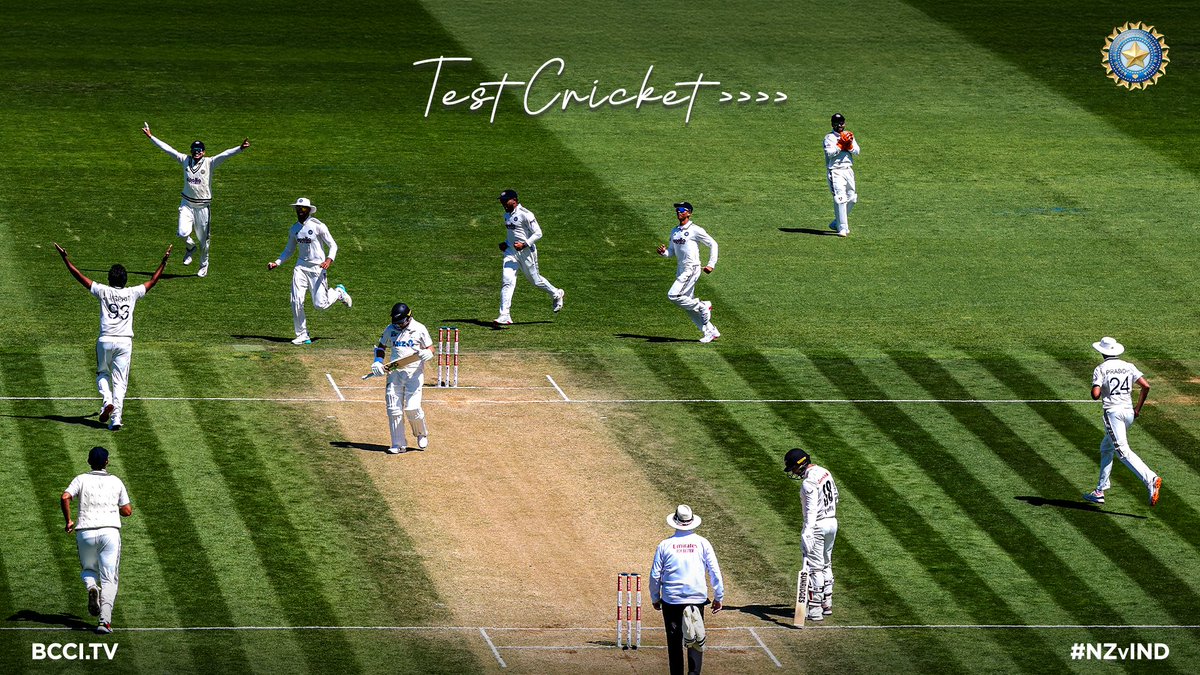
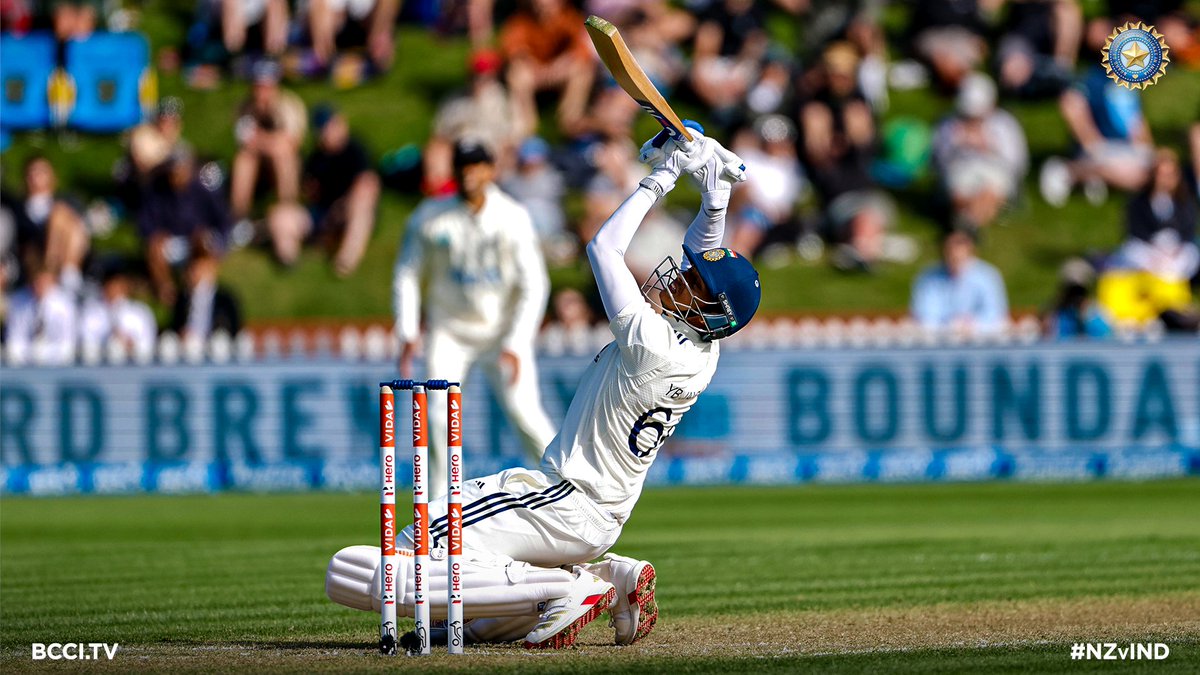

India frustrated by flat Wellington pitch
Gill admitted that India had expected more assistance from the surface, particularly as the match progressed.
"It's frustrating because we didn't get the result we wanted. Draws are not common, we are not used to draws," he said.
"We thought there would be a lot more in the wicket.
"Days three, four and five just got flatter and flatter. There was no impact of the overs being bowled on the wicket, or even the days being played. It just got slower."
The result was a setback for both teams in the race to qualify for the World Test Championship final at Lord's next June.
South Africa remain top of the standings, ahead of Australia, with New Zealand third and India fourth.
The teams will meet again in the second and final Test at Hagley Oval in Christchurch, starting on Friday, 27 November.