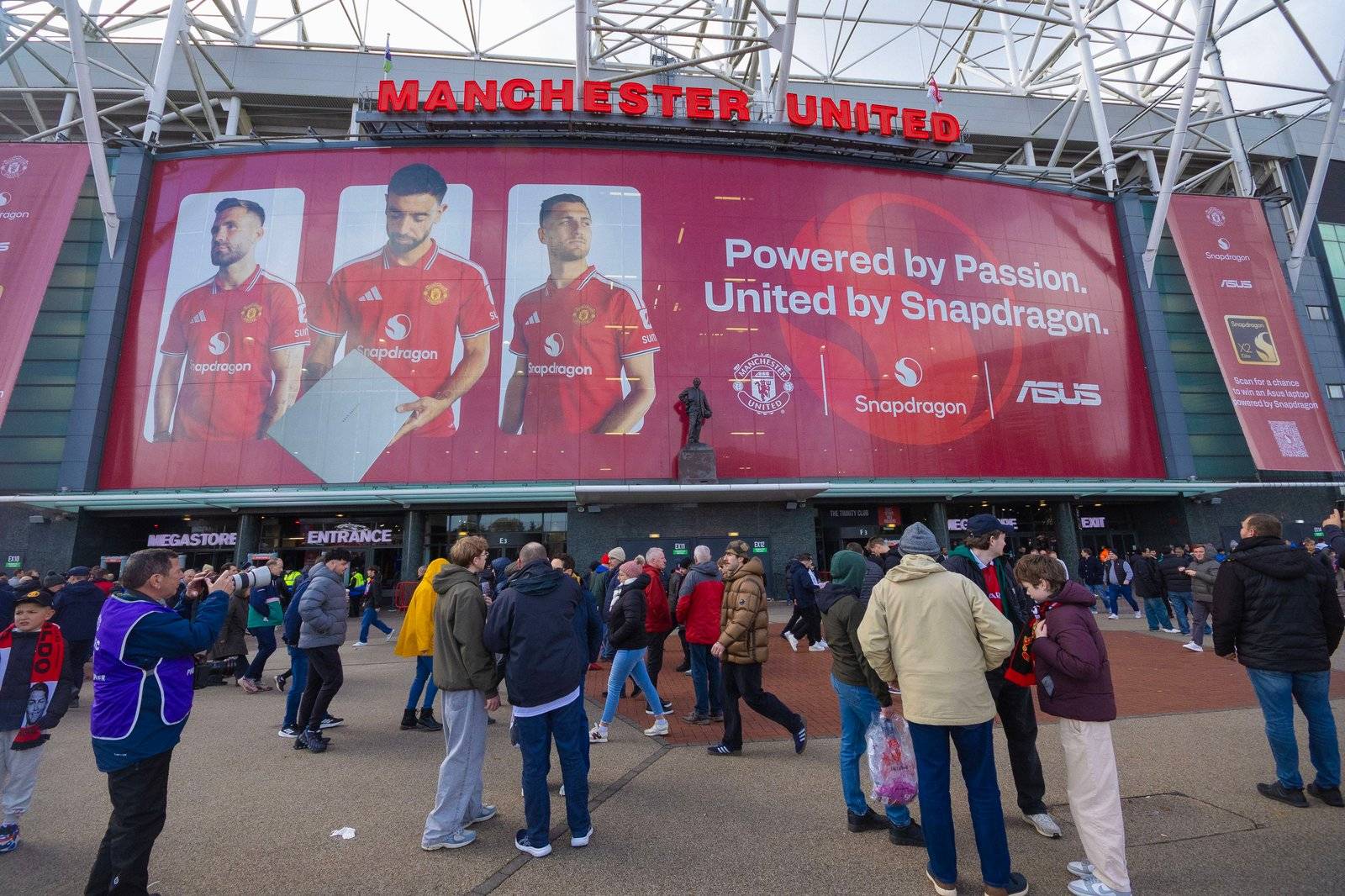
Manchester United's financial problems have deepened, with the club reporting a larger quarterly net loss and a significant increase in borrowings as their poor Premier League form threatens to make an already difficult situation considerably worse.
United recorded a net loss of £18.1 million for the three months ending 30 September 2026, compared with £6.6m in the corresponding period last year.
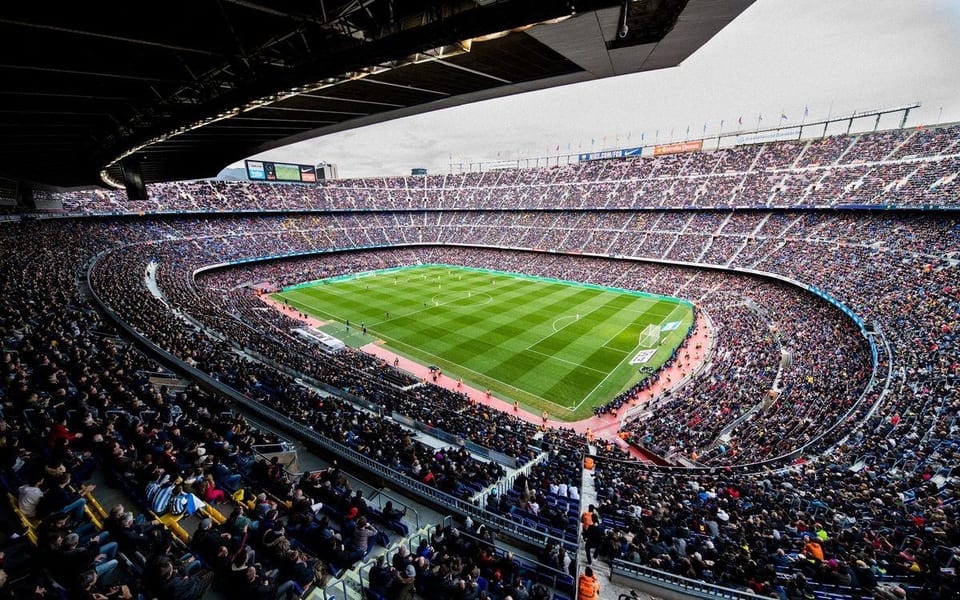
Revenue increased by 4.1% to £146.1m, but the club's operating result swung from a £13m profit to a £3m loss.
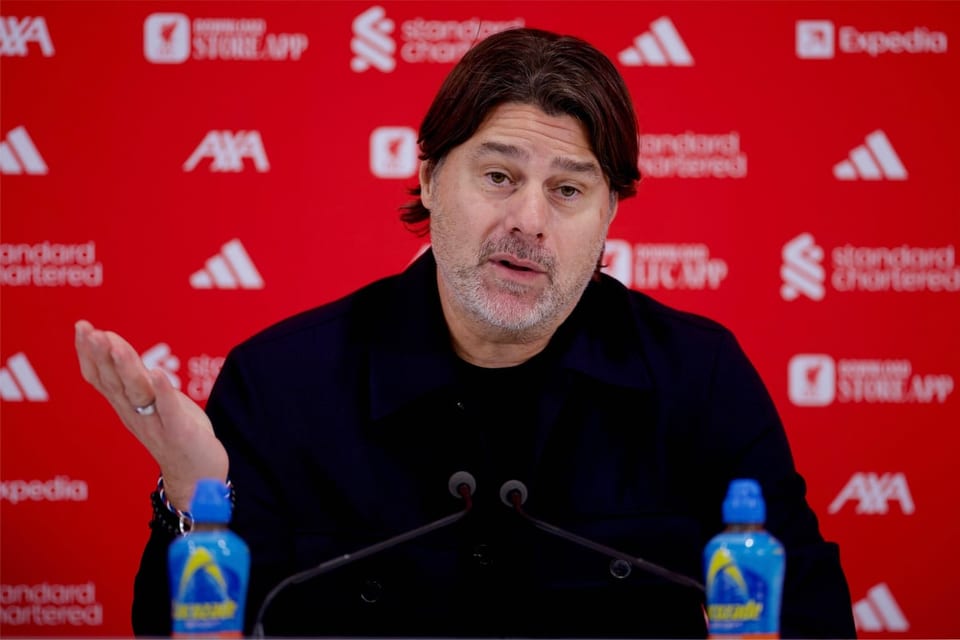
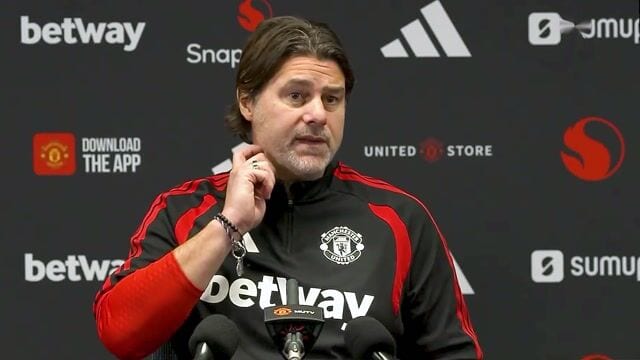
The latest figures arrive at a particularly difficult time for the club. United are 18th in the Premier League and have appointed Mauricio Pochettino in an attempt to prevent a relegation disaster that could cost them tens of millions of pounds in broadcasting and commercial income.
The club's US-listed shares fell by almost 9% in premarket trading following the announcement, reflecting investor concerns about the results and the wider uncertainty surrounding United's immediate future.
There was some positive news in the financial report. Adjusted earnings before interest, tax, depreciation and amortisation (EBITDA) increased slightly from £26.9m to £27.5m, while United maintained their full-year revenue forecast of between £740m and £760m.
However, the increase in revenue needs to be considered alongside the club's growing financial commitments and the threat posed by their position in the league.
Manchester United debt rises as losses widen
United's non-current borrowings increased to $775m at the end of September, up from $650m a year earlier. The club attributed the rise primarily to the refinancing of its senior secured notes in June.
The $775m figure does not represent all of United's borrowings. The club also had £200m outstanding under its revolving credit facility, with total current borrowings, including accrued interest, standing at £207.1m.
The latest results also reveal a change in the composition of United's revenue.
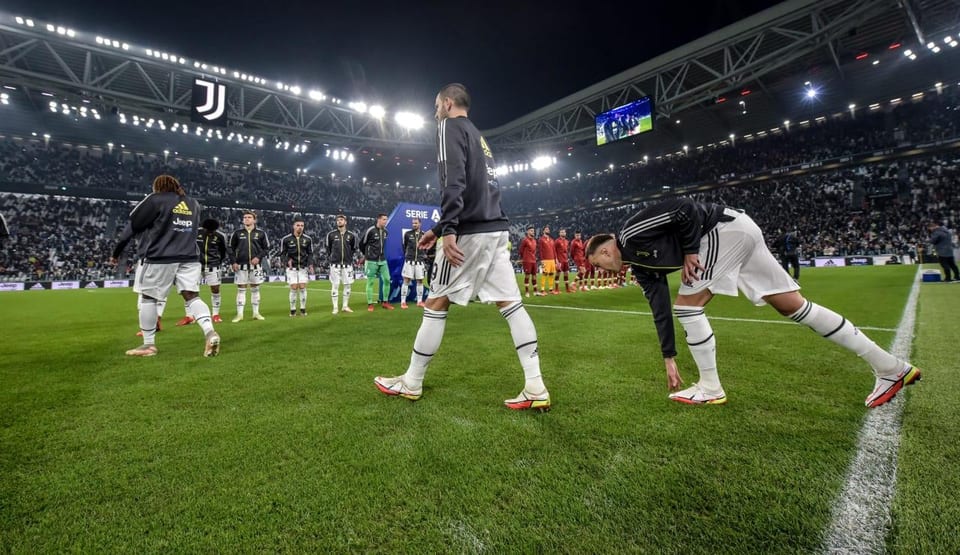
Broadcasting income increased by 17.7% to £35.2m, helped by the men's team's return to the Champions League. Matchday revenue rose by 2.3% to £26.8m, while commercial revenue was virtually unchanged at £84.1m.
The broadcasting increase is encouraging, but it also highlights the importance of European qualification to the club's financial position. United's return to the Champions League has provided a boost that would be difficult to replicate if they were relegated from the Premier League.
Another factor behind the weaker operating result was a sharp decline in profits from player sales. Income from disposals of player registrations fell by 54% to £20.7m, compared with £45m in the same quarter last year.
That reduction contributed to the swing from operating profit to operating loss, even as total revenue increased.
| Key financial measure | Quarter to September 2026 | Previous year |
|---|---|---|
| Total revenue | £146.1m | £140.3m |
| Net loss | £18.1m | £6.6m |
| Adjusted EBITDA | £27.5m | £26.9m |
| Operating result | £3m loss | £13m profit |
| Broadcasting revenue | £35.2m | £29.9m |
| Commercial revenue | £84.1m | £84.2m |
| Profit from player sales | £20.7m | £45m |
| Non-current borrowings | $775m | $650m |
Relegation could make Manchester United's financial position worse
The immediate concern is what would happen if United's performances do not improve.
Relegation from the Premier League would have a significant impact on broadcasting income, while the club could also face consequences in commercial agreements and sponsorship arrangements.

The exact financial cost would depend on the terms of individual contracts, but the potential loss of tens of millions of pounds would be a serious blow.
United's financial results also underline the importance of the decisions made by Jim Ratcliffe since he acquired a minority stake in the club in 2024 and assumed responsibility for football operations.
Pochettino is the third managerial appointment under Ratcliffe's leadership, following Ruben Amorim and Michael Carrick. The latest change comes after Carrick was dismissed following a run of just one win in 10 league matches this season.
The appointment of another manager is an attempt to arrest the decline, but it also raises questions about the consistency of United's football strategy and the costs associated with repeated changes.

The latest quarterly results do not include the departure of Carrick or Pochettino's arrival. They cover the period ending 30 September, meaning the financial consequences of the latest managerial change will be reflected in subsequent reporting.
Chief executive Omar Berrada said the club's priority was to support Pochettino and his staff as United seek to improve their performances.
"We are pleased to welcome Mauricio Pochettino and his staff to the club and our priority is to support them as we look continuously to improve our performances on the pitch," Berrada said.
Pochettino's first major test comes against Liverpool on Sunday, with United needing an immediate improvement to ease the pressure surrounding the club.
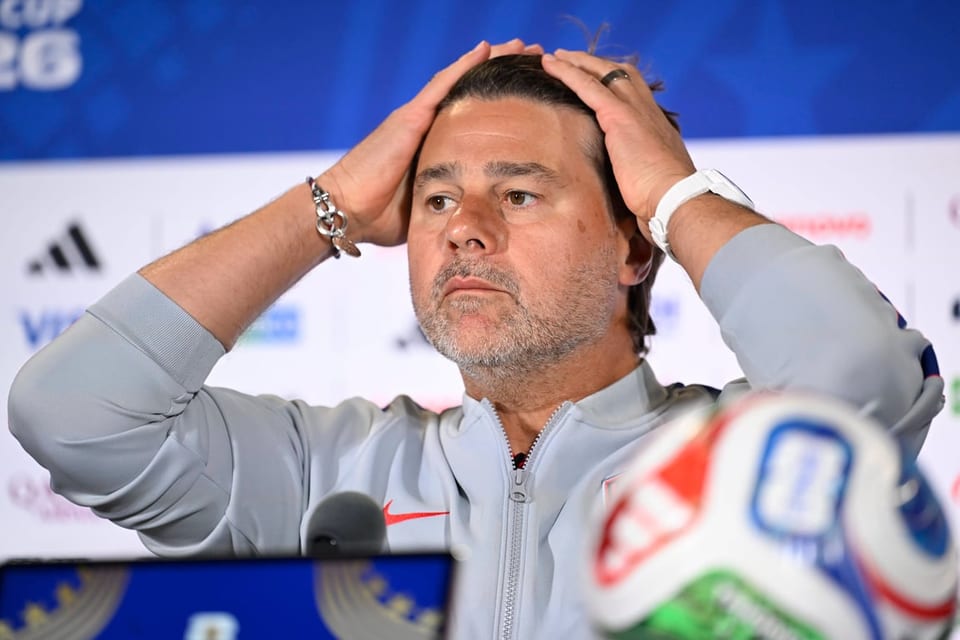
For now, the financial forecasts remain unchanged. But the danger is that a prolonged fight against relegation could undermine the revenue assumptions on which those forecasts are based.
United's growing debt and wider losses are not solely the product of their current league position. Their latest results do, however, show how little room there is for another season of sporting failure.