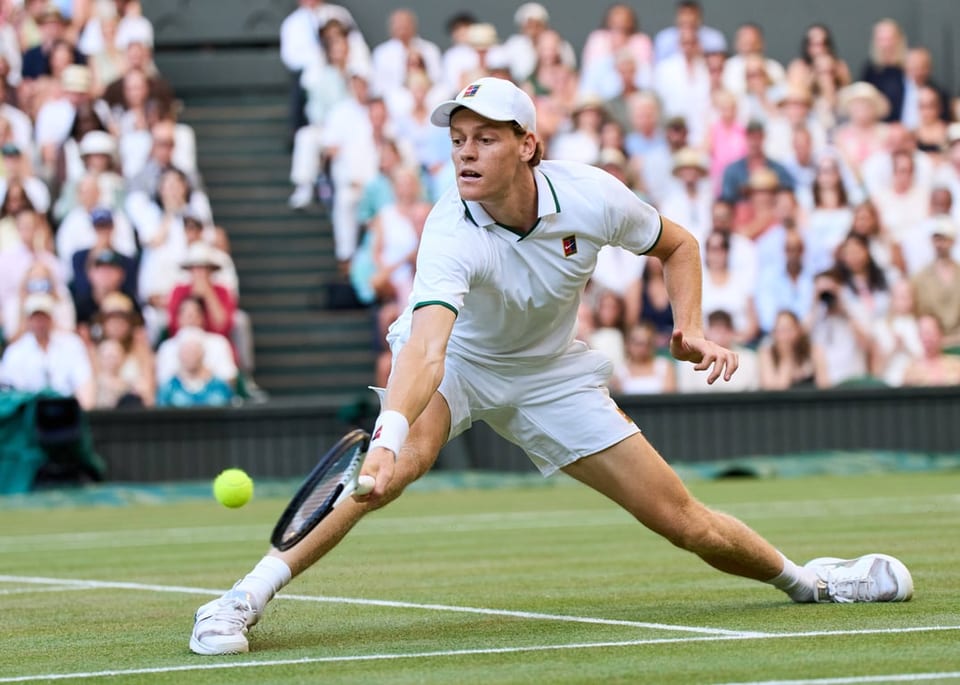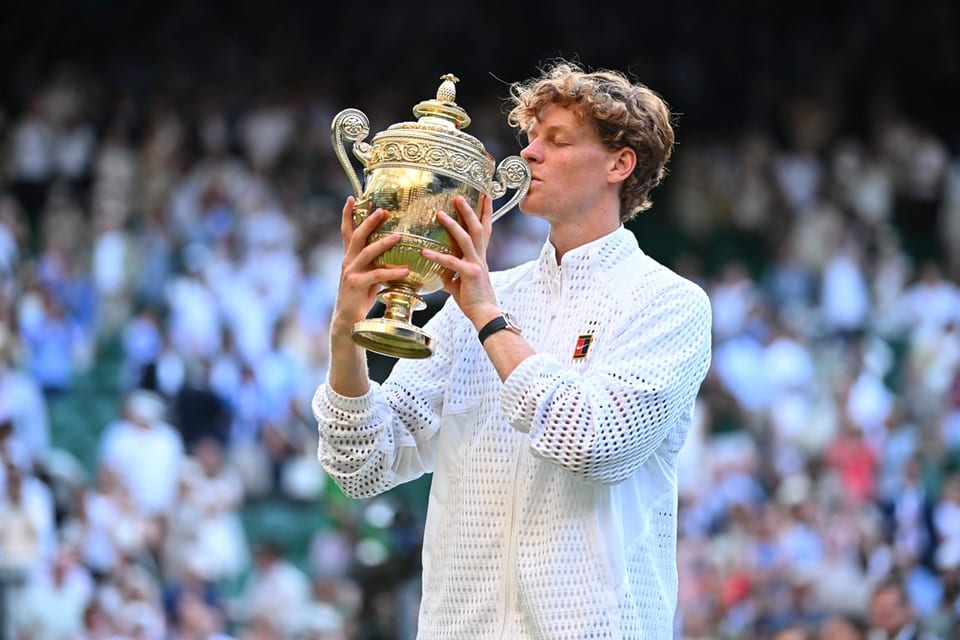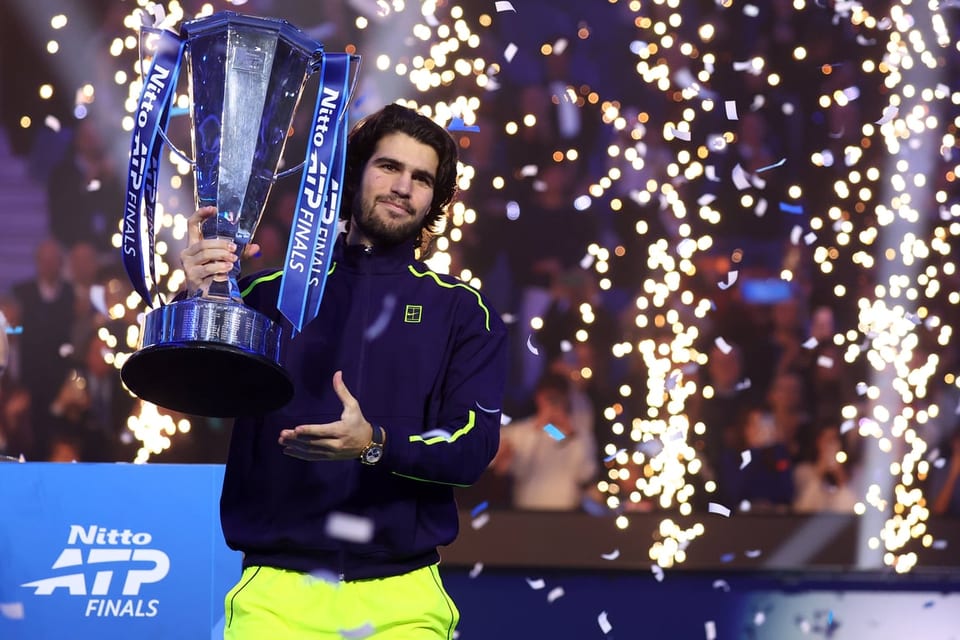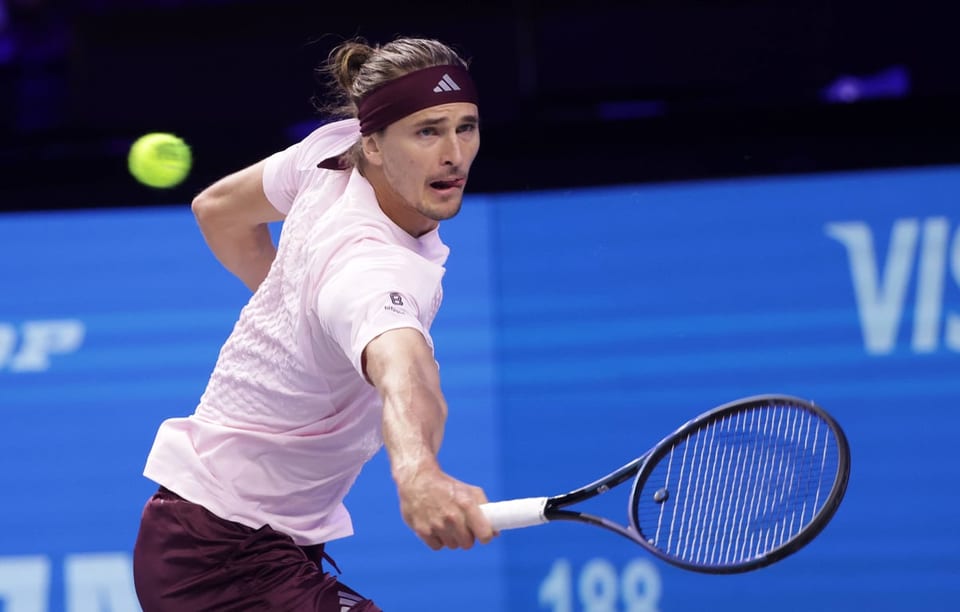
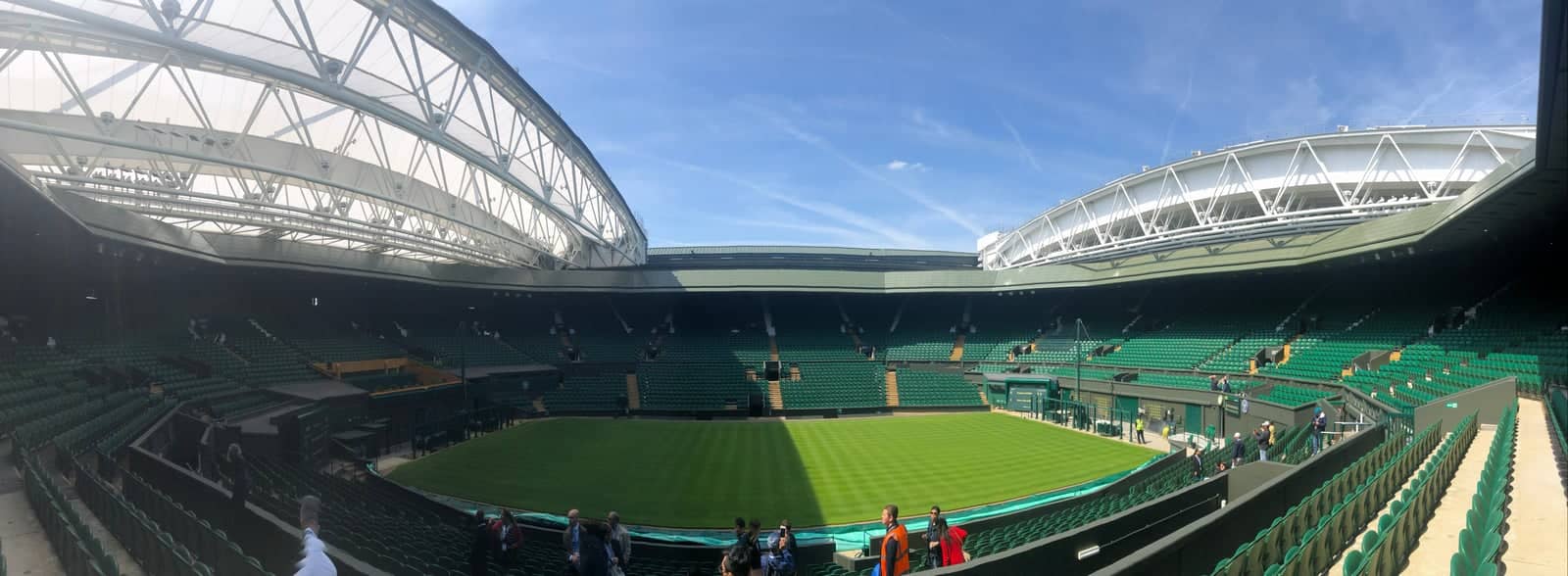
Tennis players are ending their public campaign for greater influence and financial rewards from the four Grand Slams, instead handing their outstanding demands to a new Player Advisory Council.
The campaign began in March 2025, with players calling for a greater role in Grand Slam decision-making, increased player welfare funding and a larger share of tournament revenues. One of their central demands was for players to receive 22% of Grand Slam revenues as prize money by 2030.
The campaign intensified this year when players cut short pre-tournament media commitments at the French Open and Wimbledon. The four majors have subsequently increased their prize funds, and players now believe a formal council provides the best route for pursuing the remaining objectives.
Players move Grand Slam fight to negotiating table
The players described the agreement to establish the council and the progress already made as a “significant step” forward.
“The players will now work directly with the Grand Slams to establish the council, through which players themselves will be directly consulted and able to negotiate on an ongoing basis,” the group said in a statement.
However, the campaign's main financial target has not yet been achieved. Players acknowledged that the Grand Slams had not agreed to their goal of receiving 22% of tournament revenues by 2030.
They nevertheless pointed to substantial increases in prize money since their campaign began, arguing that collective action had already produced tangible results.
 Wimbledon @Wimbledon
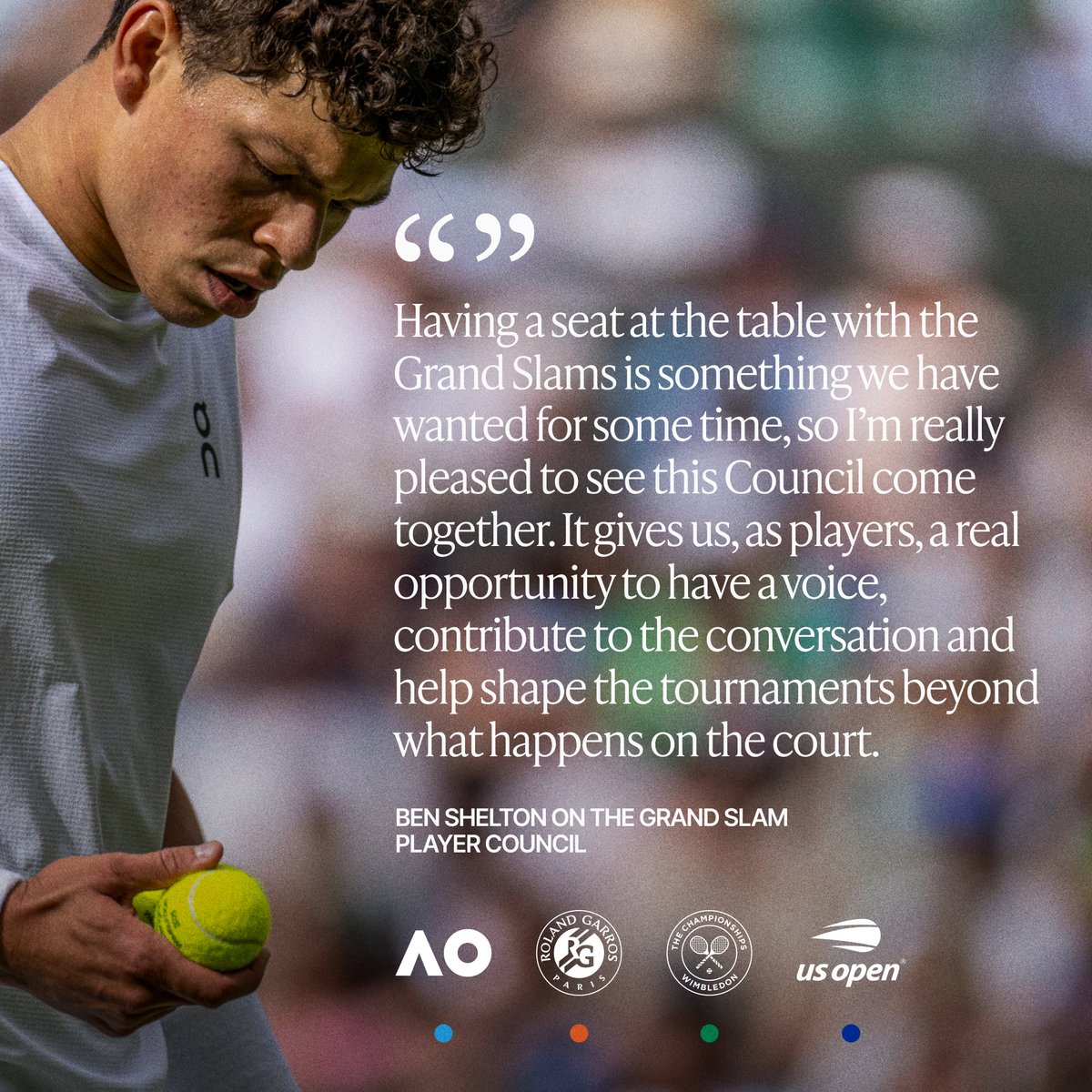
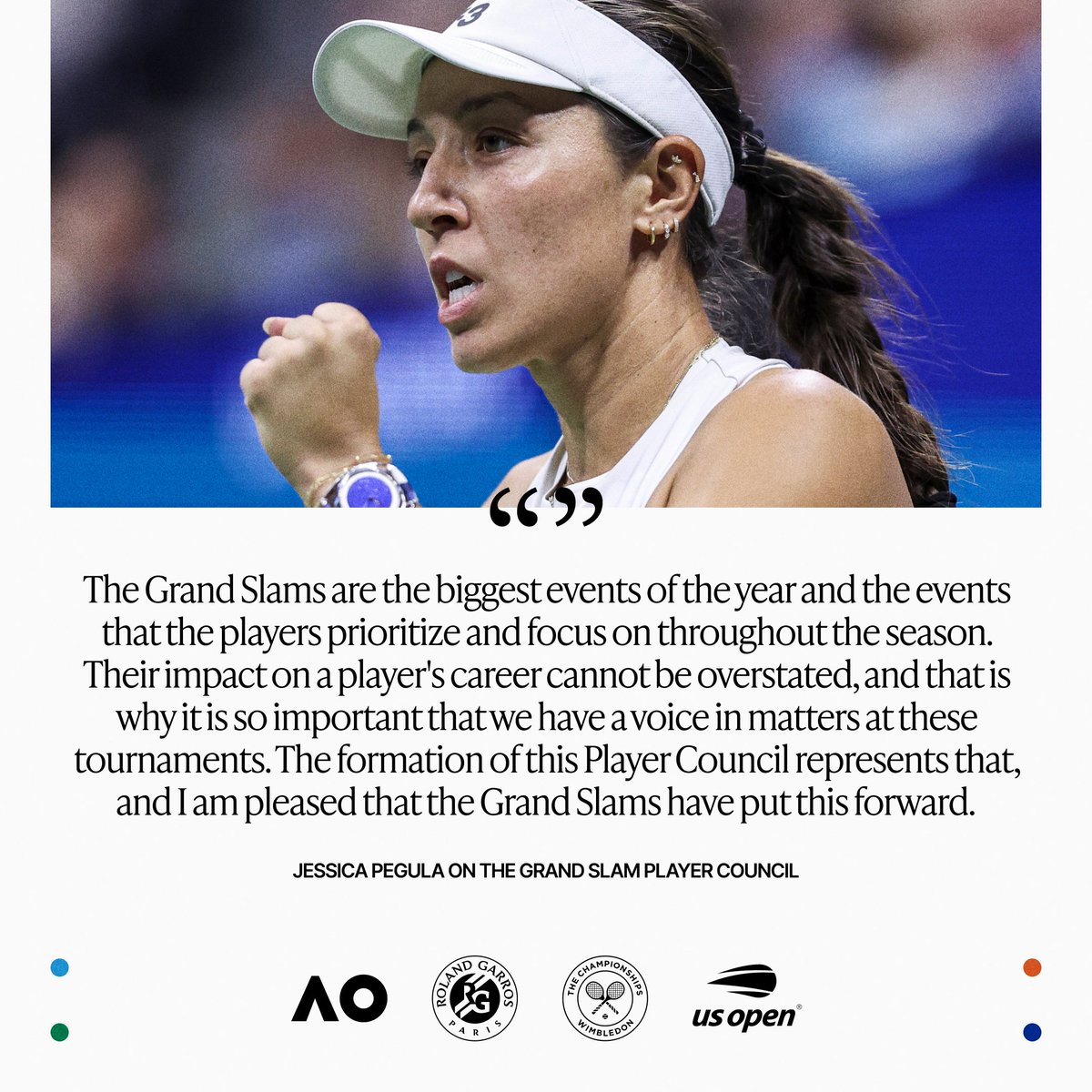
The Council will provide a new platform for players and the Grand Slams to work together to shape the future of the tournaments and advance our shared goal of greater player support.
Find out
The four Grand Slams have all increased their prize pools this year, with the Australian Open offering $79.92 million, the French Open $71.56 million, Wimbledon $86.79 million and the US Open a record $108 million.
The players estimated that more than $30 million of those recent increases across the majors exceeded historical growth trends. They also welcomed a French Open proposal to link player payouts to tournament profits.
US Open welfare commitment welcomed
Player welfare has also emerged as an important part of the campaign, with the US Open becoming the first Grand Slam to commit $2 million towards player welfare.
The players welcomed the move and said they hoped the contribution would increase over time while encouraging the Australian Open, French Open and Wimbledon to introduce similar initiatives.
For the players, the developments represent evidence that a united approach can influence an individual sport in which athletes traditionally have limited collective power.
“This stands as a testament to the gains made possible by concerted, unified player action in an individual sport, and by constructive dialogue with the Grand Slams and tournament organisers,” the statement said.
22% revenue target remains unresolved
The new council will now take responsibility for the issues that remain unresolved, with players choosing to pursue them through direct engagement rather than further public campaigning for the time being.
That includes the 22% revenue target, alongside their broader demand for a stronger voice in how the Grand Slams are run.
“The players look to the Council to build on this progress and continue pursuing the aims not yet fully achieved,” the group said.
The change in strategy does not mean the players have abandoned their leverage. They explicitly reserved the right to restart their campaign if the new council fails to deliver on their outstanding objectives.