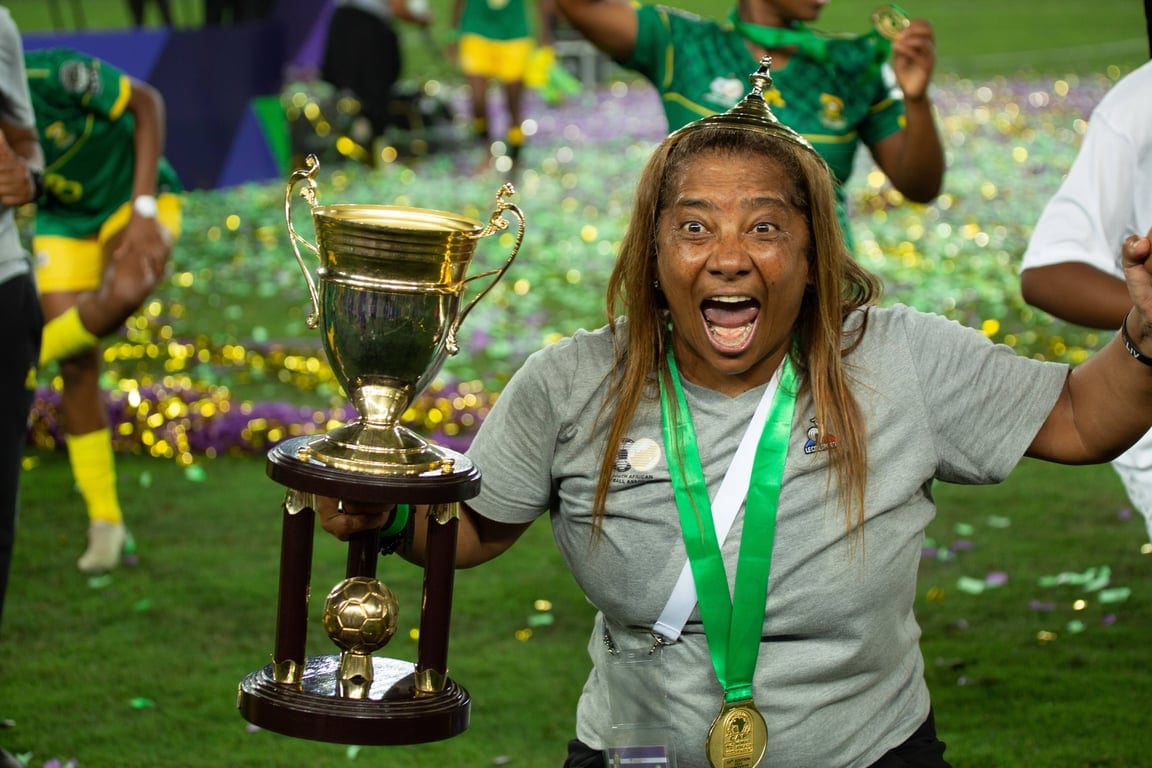
Africa's premier women's football tournament returns to Morocco for a third straight edition, delayed from its original March window after CAF postponed the finals just 12 days before kickoff, citing unforeseen circumstances.
Sixteen teams, the most in the competition's history, spend three weeks across Rabat and Casablanca playing 34 matches for a trophy only three countries have ever won: Nigeria, Equatorial Guinea and South Africa.
This edition carries extra weight beyond the trophy itself. Every semi-finalist books a place at the 2027 World Cup in Brazil, and even a quarter-final exit now opens a route to an intercontinental play-off for two further African slots.
- Dates: 26 July to 16 August 2026, in Rabat and Casablanca, Morocco
- Defending champions: Nigeria, chasing a record-extending 11th title
- Format: 16 teams, four groups of four, top two per group advance, no third-place wildcard
- Stakes: All four semi-finalists qualify directly for the 2027 FIFA Women's World Cup in Brazil
 Micky Jnr@MickyJnr__
The winners of the Women’s AFCON will now receive $2 million in prize money. 💰🏆
Another major boost for women’s football in Africa.
#WAFCON2026
#AfricanFootball

Group A: Morocco's home push
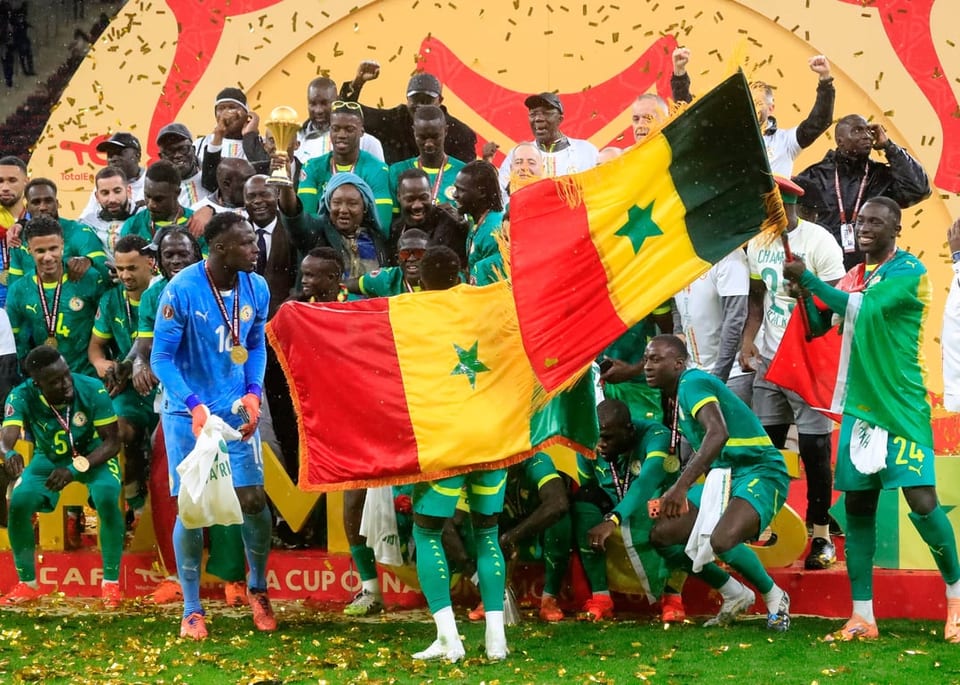
Hosts Morocco head Group A alongside fierce rivals Algeria, Senegal, a regular fixture at this tournament, and Kenya, back at the finals for the first time in a decade.
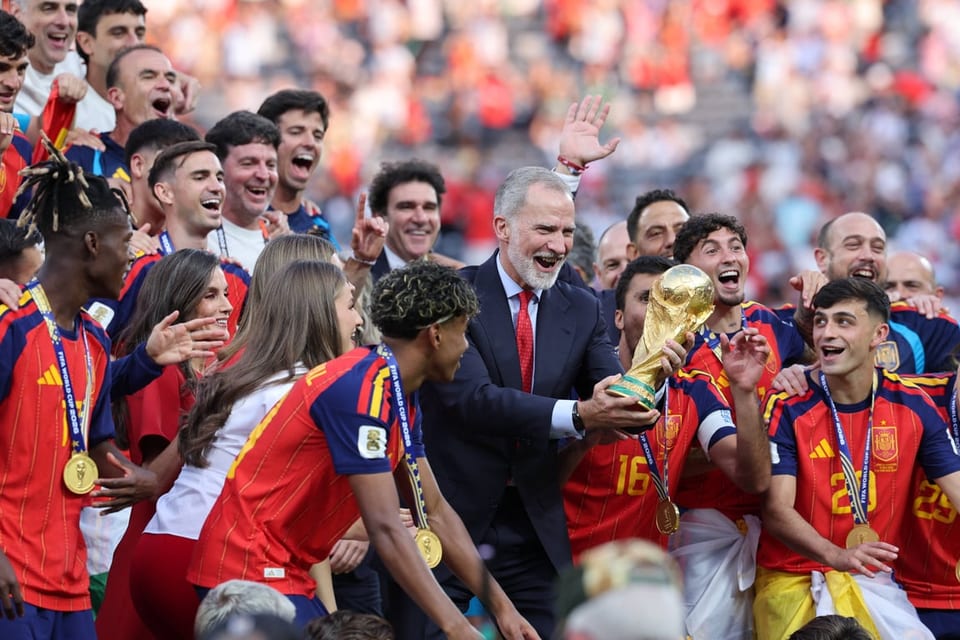
The Atlas Lionesses have finished runners-up at the past two editions and now have Jorge Vilda, who led Spain to the 2023 World Cup, in the dugout.
Group A plays out entirely in Rabat, opening on 26 July with Algeria against Senegal before the hosts begin their own campaign against Kenya later the same evening.
Group B: South Africa's route back
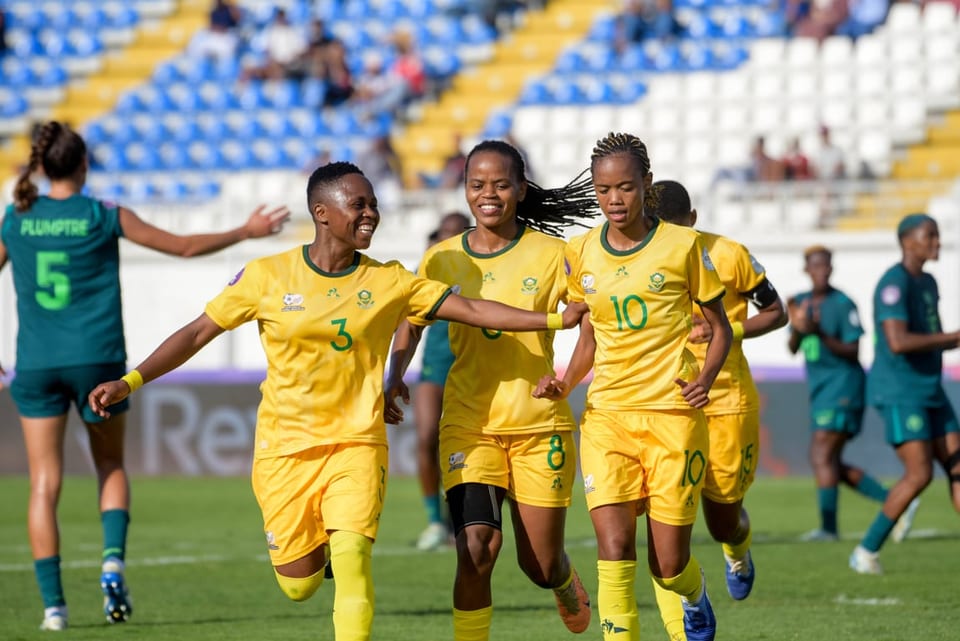
Banyana Banyana, the 2022 champions, were drawn with Cote d'Ivoire, Burkina Faso and Tanzania in Group B, and now play every match in Casablanca after CAF shifted the entire group away from Rabat in a late revision.
Desiree Ellis's side finished fourth at the delayed 2024 edition, and under this tournament's straight top-two format, a repeat of that slip would end the campaign outright rather than offer any second route through.
Group C: Nigeria defend, Zambia chase
Defending champions Nigeria, chasing a record-extending 11th title, were drawn in Group C with Zambia, Egypt and debutants Malawi. Chiamaka Nnadozie, named Africa's best goalkeeper for three straight years, anchors a squad built around finals MVP Rasheedat Ajibade.
Zambia, led by Barbra Banda, the 2024 Women's Footballer of the Year, look the most likely side to trouble the Super Falcons, even after a 5-0 quarter-final defeat to Nigeria last time out.
Malawi arrive at the WAFCON finals for the first time, with sisters Temwa and Tabitha Chawinga among the most productive strikers in the women's game. Group C plays entirely in Rabat, opening on 28 July when Nigeria face Malawi.
 Andrew Randa@RandaAndrew
The @NGSuper_Falcons will play with 10 stars on their chest to show their ten WAFCON titles.
What an achievement
#disfootballsef
Group D: Ghana chase a first title
Ghana, third-placed finishers last year under Kim Bjorkegren, were drawn with Cameroon, Mali and debutants Cape Verde in Group D. CAF's original plan had this group based in Fes, but those fixtures have since moved to Casablanca, the same city hosting South Africa's group.
Cameroon and Mali both reached the finals on the FIFA World Ranking after CAF expanded the tournament from 12 to 16 teams midway through qualifying, while Cape Verde, like Malawi in Group C, are making a maiden WAFCON appearance. Ghana open their campaign against Cape Verde on 29 July.
Format and what's at stake
The top two in every group advance to the quarter-finals. There is no wildcard and no best-third-placed lifeline, so every group match carries full weight from the opening whistle.
Quarter-finals run on 8 and 9 August, both semi-finals follow on 12 August, and the four teams that reach that stage secure automatic qualification for the 2027 FIFA Women's World Cup in Brazil.
The four losing quarter-finalists get a second chance, playing off for two further intercontinental qualifying slots on 13 August.
The third-place playoff is set for 15 August and the final for 16 August, both in Rabat, though CAF has yet to confirm whether the final will be played at the Moulay Hassan Stadium or the larger Prince Moulay Abdellah Stadium.